Best HVAC Maintenance Checklist for Colorado Winters: What Homeowners Should Do Before the First Freeze
What Homeowners Should Do Before the First Freeze
Colorado winters are not just cold—they are unpredictable . From sudden temperature drops along the Front Range to heavy snowin the foothills and mountain communities, your home’s heating system needs to be prepared long before the first freeze hits.
A properly maintained HVAC system does more than keep your family comfortable. It improves energy efficiency, extends equipment lifespan, reduces the risk of mid-winter breakdowns, and
helps ensure your home stays safe during extreme weather.
Why Winter HVAC Prep Matters in Colorado
Colorado’s climate presents unique challenges for heating systems:
- Rapid temperature swings can stress furnaces and heat pumps
- High altitude can affect combustion efficiency and airflow
- Dry air can impact comfort,
indoor air quality , and system performance
- Heavy snow can block vents and exhaust pipes
Preventative maintenance helps your system operate reliably when you need it most— during sub-zero nights and winter storms when service availability can be limited.
Pre-Winter HVAC Maintenance Checklist
1. Replace or Clean Your Air Filter
A dirty filter restricts airflow, forcing your furnace to work harder and increasing energy costs.
Recommended schedule:
- Check monthly during winter
- Replace every
1–3 months depending on pets , dust levels, and filter type
Local tip: Colorado’s dry climate can increase airborne dust, especially in newer developments and high-traffic areas.
2. Test Your Thermostat
Before cold weather arrives:
- Switch the thermostat to “heat”
- Raise the temperature 5 degrees above room temperature
- Confirm the system turns on and delivers warm air
Consider upgrading to a smart thermostat for better energy efficiency and remote temperature control during travel or storms.
3. Inspect Furnace Exhaust and Intake Pipes
Snow and debris can block vents, causing dangerous exhaust backup or system shutdowns.
Walk around your home and:
- Clear leaves, snow, and dirt from all exterior pipes
- Make sure vents are at least 12 inches above ground level
4. Check Carbon Monoxide and Smoke Detectors
Gas furnaces produce combustion gases that must be safely vented outdoors .
Test all detectors and replace batteries . This is one of the most important safety steps homeowners can take before winter.
5. Inspect Air Ducts and Vents
Make sure:
- Supply and return vents are open and unobstructed
- Furniture, rugs, or curtains are not blocking airflow
If some rooms feel colder than others, you may have duct leakage or airflow imbalance that needs professional evaluation.
6. Seal Drafts and Insulate
Heating efficiency is not just about your furnace.
Check for air leaks around:
- Windows and doors
- Attic access points
- Basements and crawl spaces
Proper insulation and weather sealing can significantly reduce heat loss and lower monthly utility bills.
7. Schedule a Professional HVAC Tune-Up
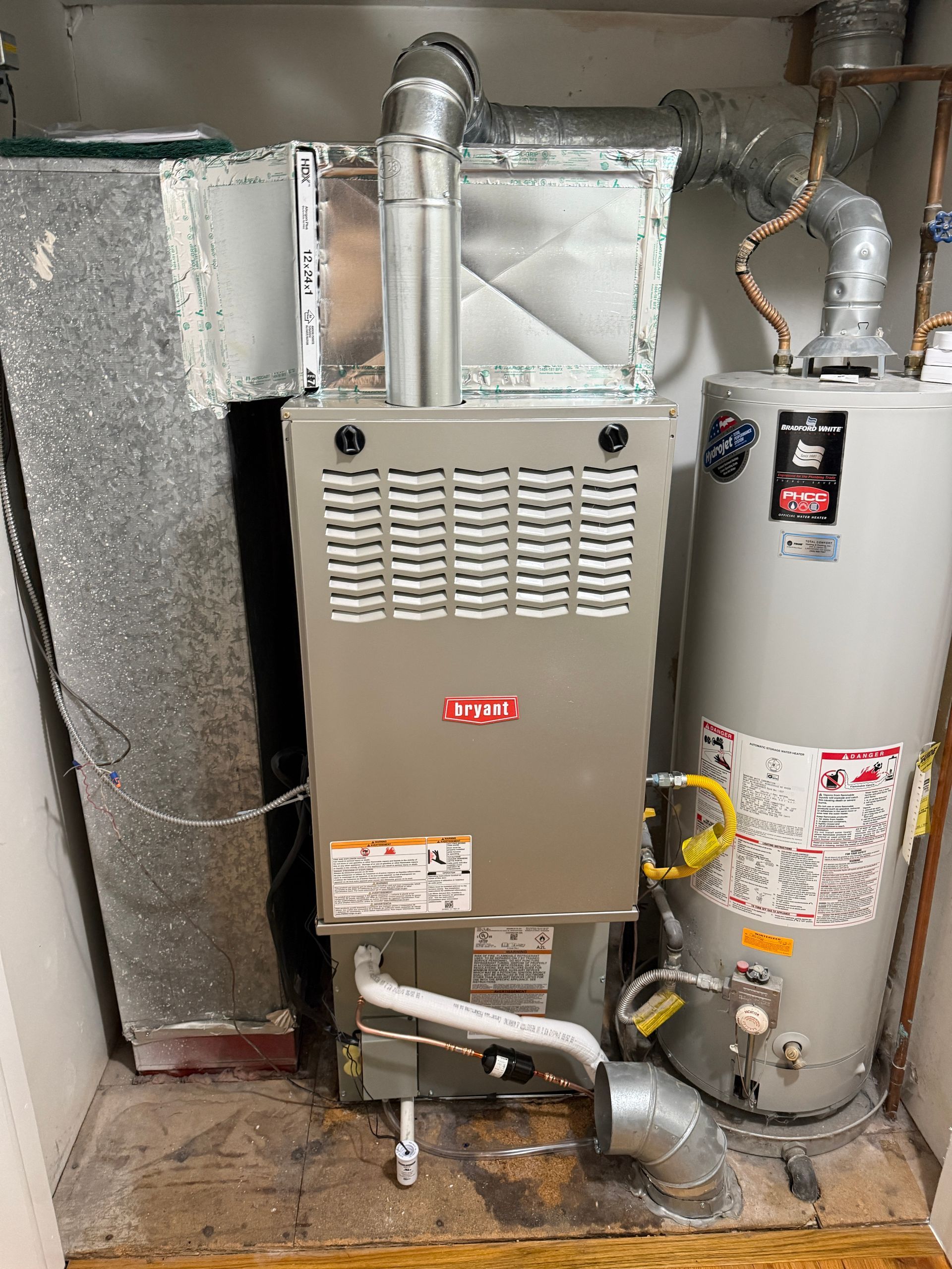
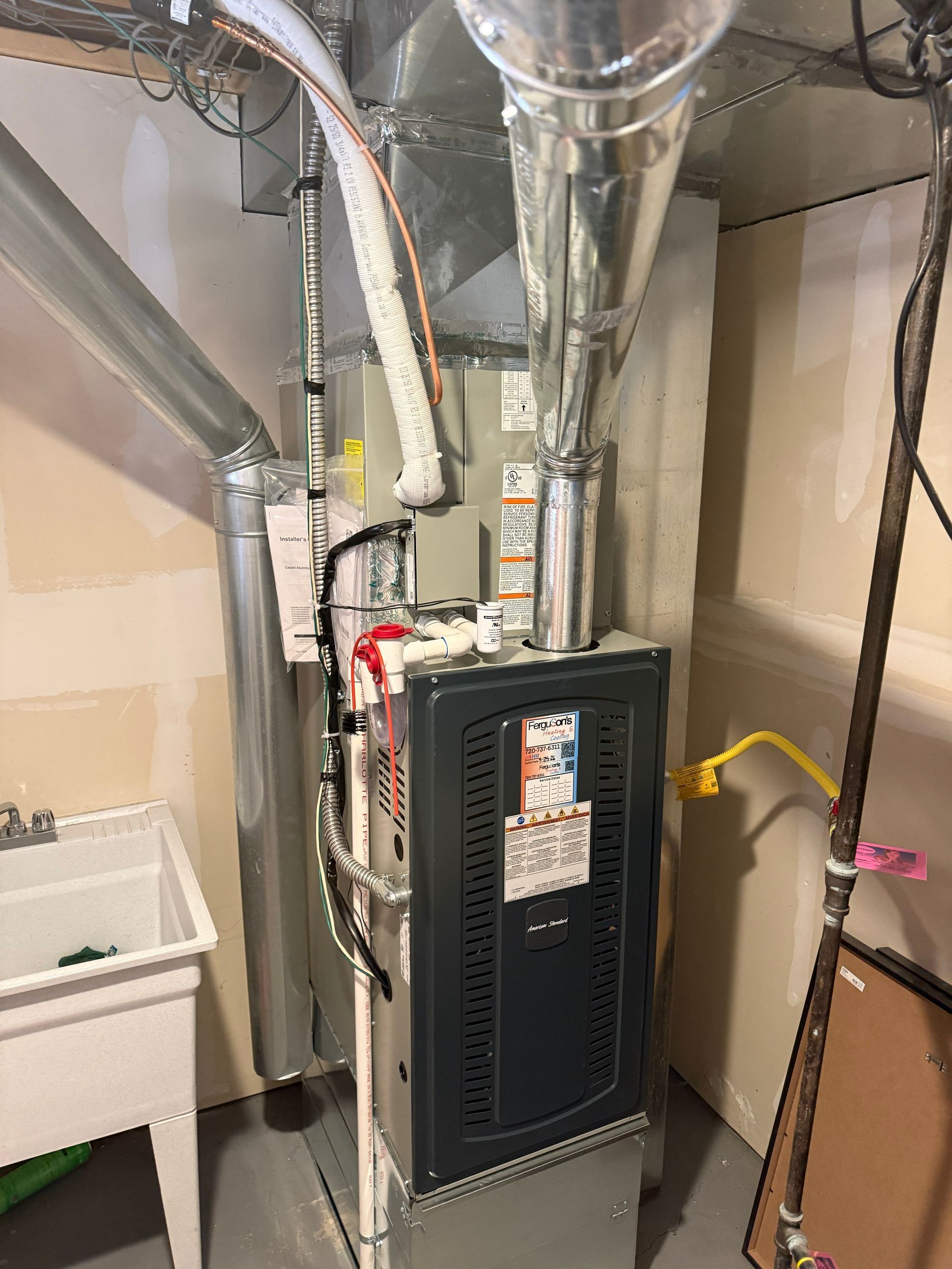
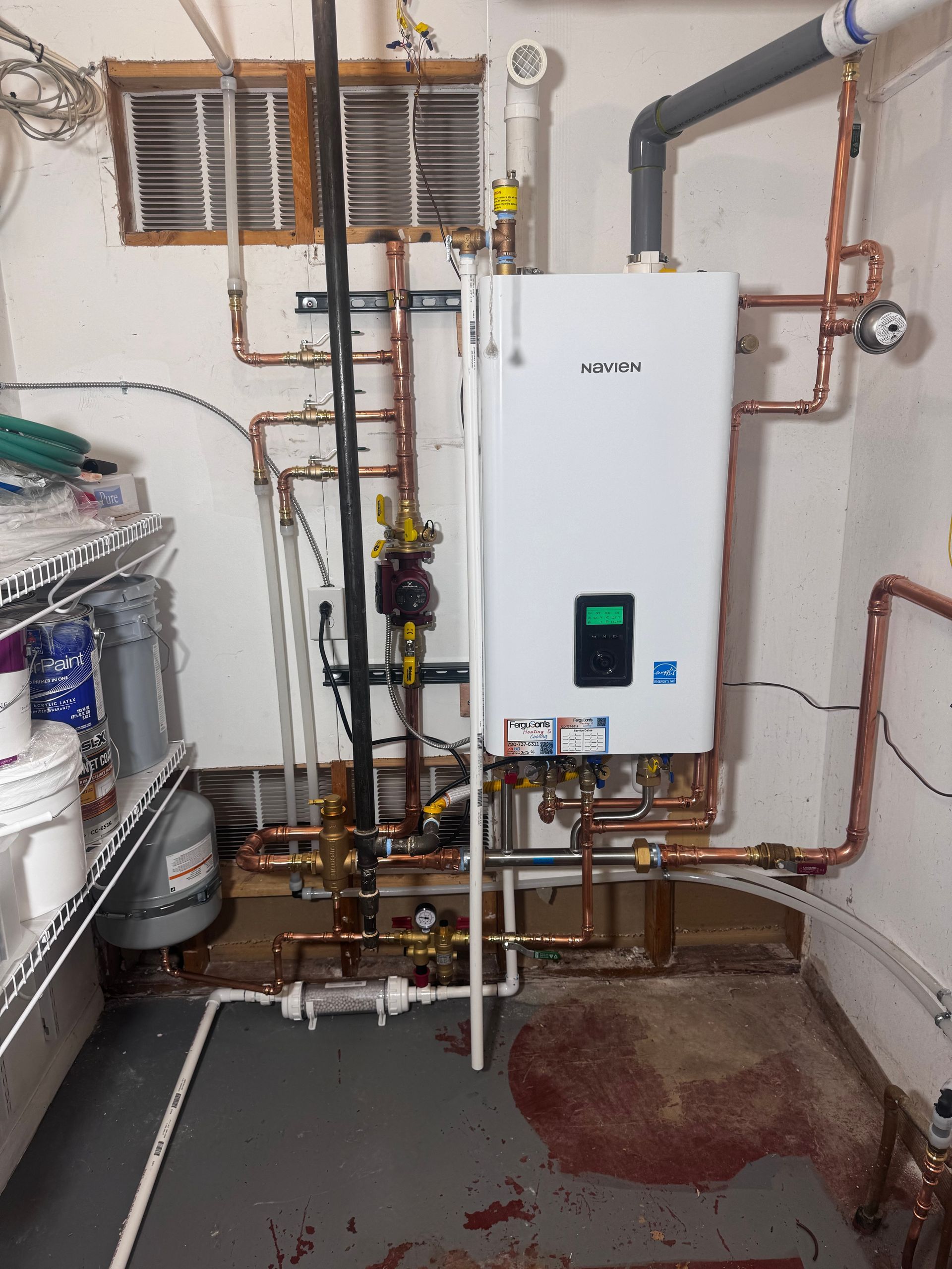
A licensed HVAC technician at Ferguson's can:
- Inspect burners and heat exchangers
- Test
gas pressure and ignition systems
- Check electrical connections
- Measure airflow and system efficiency
- Identify worn parts
before they fail
Annual maintenance can improve system performance and often helps preserve manufacturer warranties
Signs Your Furnace Needs Attention Before Winter
Call a professional if you notice:
- Strange noises like
banging or rattling
- Uneven heating throughout the home
- Rising energy bills without increased usage
- Short cycling (system turns on and off frequently)
- Yellow or flickering burner flames
Addressing these issues early can prevent emergency repairs during peak winter demand.
Colorado-Specific Energy-Saving Tips
Set your thermostat to 68°F when home and lower when sleeping or away
Use a humidifier to improve comfort at lower temperatures
Keep garage doors closed to reduce heat loss in adjacent rooms
Open blinds on sunny days to take advantage of natural heat gain
Why Local HVAC Maintenance Makes a Difference
Homes in Denver, Colorado Springs, Boulder, Fort Collins, and mountain communities experience different elevation and weather conditions. A local HVAC company understands how altitude, climate, and building codes impact system performance and safety.
Schedule Your Winter HVAC Tune-Up Today
The best time to service your heating system is before cold weather sets in . Preventative maintenance helps ensure reliable comfort, lower energy costs, and peace of mind throughout the winter season.
If you are a homeowner in Littleton or surrounding Colorado communities, our experienced HVAC technicians are ready to help you prepare for winter with professional inspections, tune-ups, and expert recommendations .
FAQ: Colorado Winter HVAC Maintenance
How often should I service my furnace?
At least once per year, ideally in early fall before heavy use begins.
Do heat pumps work well in Colorado winters?
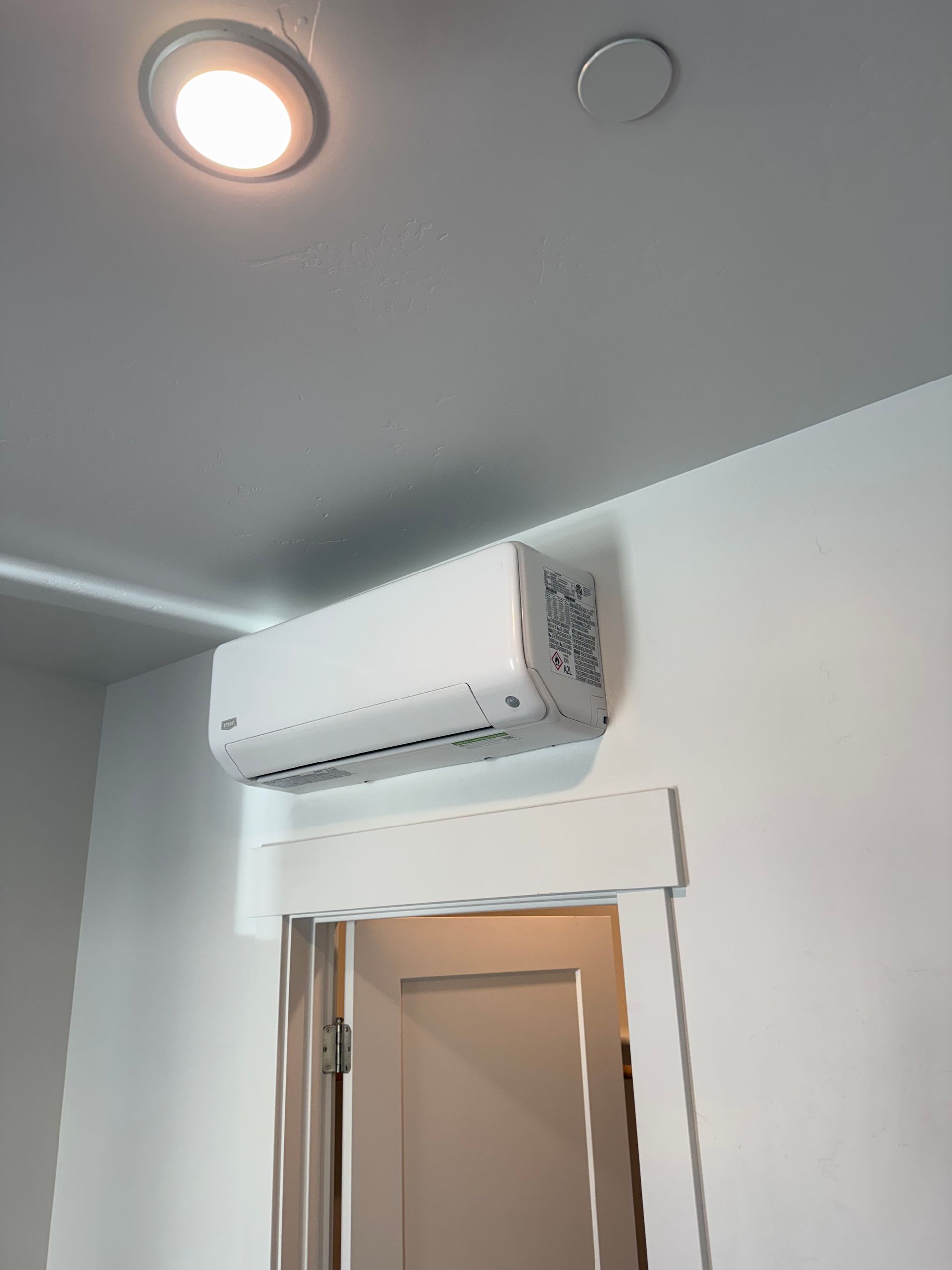
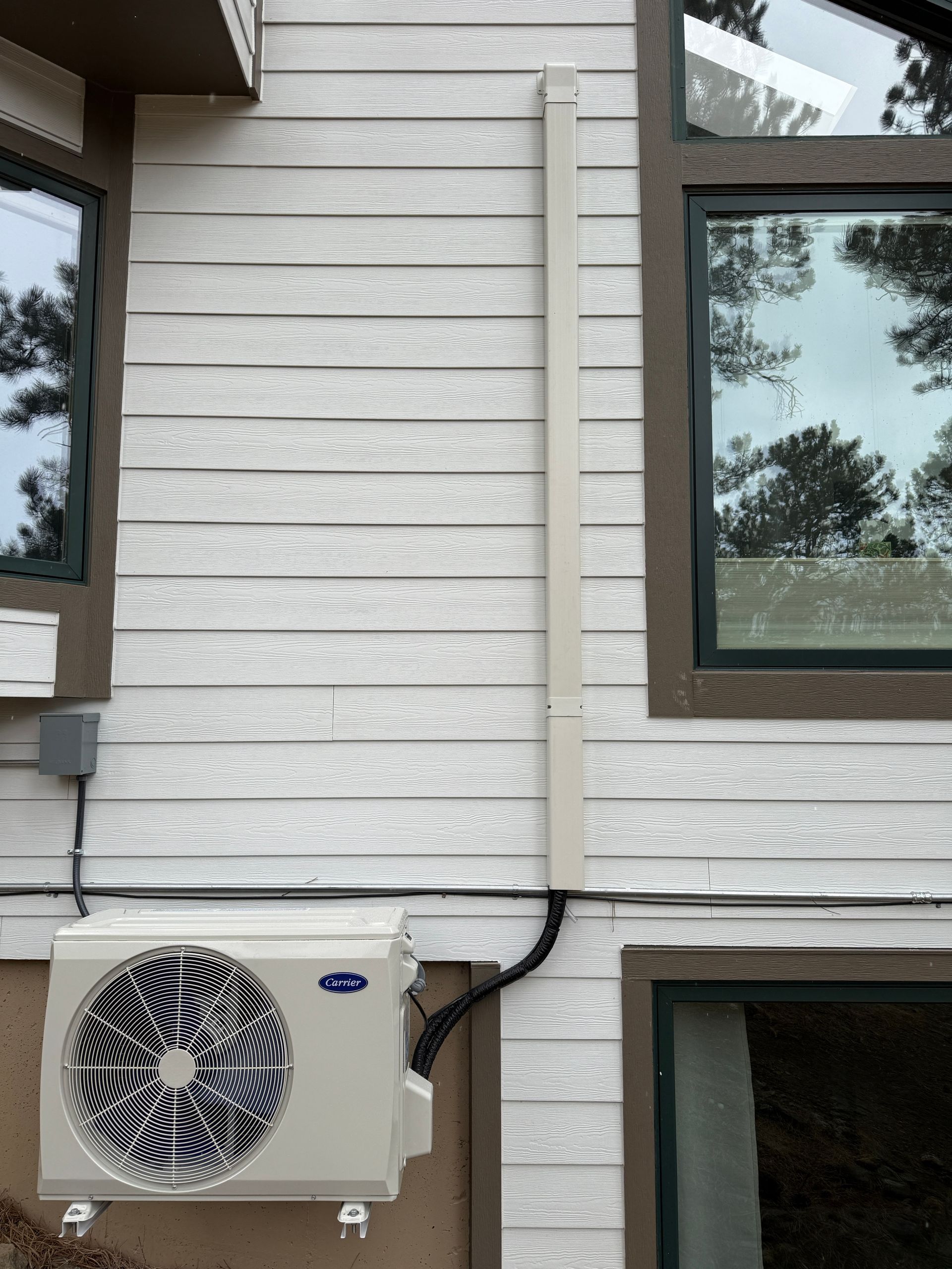
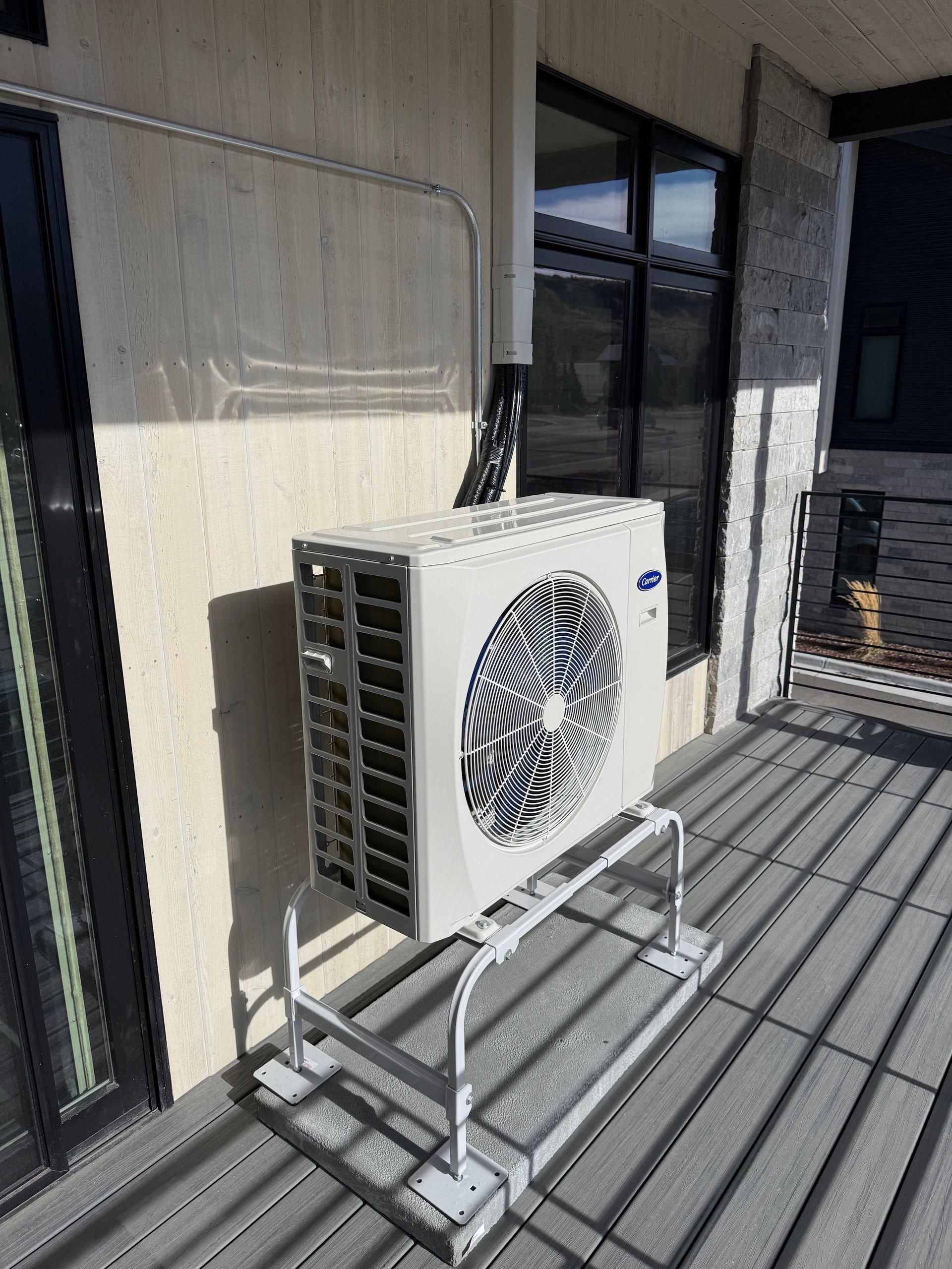
Modern cold-climate heat pumps can perform effectively, especially when paired with a backup heating system.
Is furnace maintenance required for warranties?
Many manufacturers require documented annual maintenance to keep warranties valid.
Any Other Questions? Call us at 720-737-7311