Why Your Furnace Struggles During Colorado Cold Snaps (And What to Do About It)

Cody Roy Ferguson • January 27, 2026

Colorado Weather Often Struggles in Extreme Cold

Colorado cold snaps are different from a typical winter day. Rapid temperature drops, high winds, and sudden snowstorms can push home heating systems to their limits—often exposing problems that stay hidden during milder weather.

If your furnace seems to run constantly, struggles to keep up, or stops working altogether when temperatures plunge, you are not alone. Understanding why furnaces struggle in Colorado’s climate can help you prevent breakdowns, lower energy costs, and keep your home comfortable and safe.

What Makes Colorado Cold Snaps So Hard on Furnaces?
Rapid Temperature Swings
A 40-degree temperature drop overnight forces your furnace to work longer cycles to maintain indoor comfort. This can stress motors, igniters, and heat exchangers—especially in older systems.

High Altitude Effects
Many areas along the Front Range and in mountain communities sit at elevations that can impact combustion efficiency. Furnaces not properly adjusted for altitude may burn fuel less efficiently, leading to reduced heating performance and higher energy bills.

Dry Winter Air
Colorado’s low humidity can make indoor air feel colder than it actually is. Homeowners often raise the thermostat to compensate, increasing system workload and utility costs.

Snow and Ice Buildup
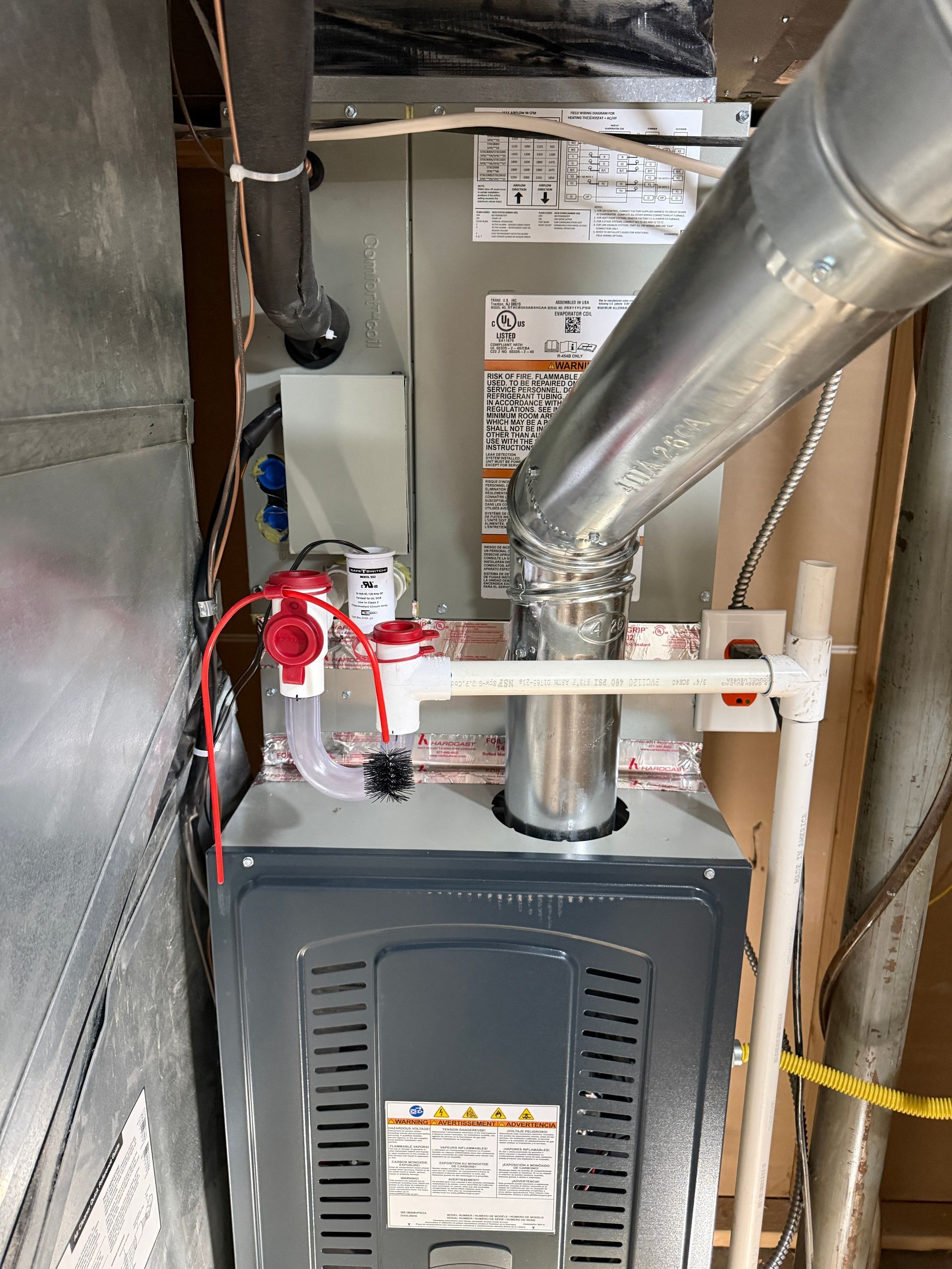
High-efficiency furnaces use outdoor intake and exhaust pipes. Heavy snow or drifting ice can block these vents, causing system shutdowns or safety lockouts.

Common Furnace Problems During Cold Snaps
Short Cycling
If your furnace turns on and off frequently, it may be overheating, experiencing airflow restrictions, or dealing with a faulty thermostat.

Uneven Heating
Cold rooms often point to duct leaks, blocked vents, or airflow imbalances—problems that become more noticeable when the system runs continuously.

Rising Energy Bills
Longer run times and reduced efficiency during extreme cold can cause sudden spikes in heating costs.

Strange Noises
Banging, rattling, or squealing can indicate loose components, blower motor issues, or expanding ductwork under temperature stress.

Signs Your Furnace Needs Attention Before Winter
Call a professional if you notice:
  • Strange noises like banging or rattling
  • Uneven heating throughout the home
  • Rising energy bills without increased usage
  • Short cycling (system turns on and off frequently)
  • Yellow or flickering burner flames
Addressing these issues early can prevent emergency repairs during peak winter demand.

Colorado-Specific Energy-Saving Tips
Set your thermostat to 68°F when home and lower when sleeping or away
Use a humidifier to improve comfort at lower temperatures
Keep garage doors closed to reduce heat loss in adjacent rooms
Open blinds on sunny days to take advantage of natural heat gain

Why Local HVAC Maintenance Makes a Difference
Homes in Denver, Colorado Springs, Boulder, Fort Collins, and mountain communities experience different elevation and weather conditions. A local HVAC company understands how altitude, climate, and building codes impact system performance and safety.

Schedule Your Winter HVAC Tune-Up Today
The best time to service your heating system is before cold weather sets in. Preventative maintenance helps ensure reliable comfort, lower energy costs, and peace of mind throughout the winter season.
If you are a homeowner in Littleton or surrounding Colorado communities, our experienced HVAC technicians are ready to help you prepare for winter with professional inspections, tune-ups, and expert recommendations.

FAQ: Colorado Winter HVAC Maintenance
How often should I service my furnace?
At least once per year, ideally in early fall before heavy use begins.

Do heat pumps work well in Colorado winters?
Modern cold-climate heat pumps can perform effectively, especially when paired with a backup heating system.

Is furnace maintenance required for warranties?
Many manufacturers require documented annual maintenance to keep warranties valid.
 Any Other Questions? Call us at 720-737-7311

By Cody Roy Ferguson January 28, 2026
Winter in Colorado brings cold temperatures, snowy days, and more time spent indoors — especially for your pets . While keeping your home warm is a top priority, it’s just as important to ensure your heating system is pet-friendly, efficient, and safe . At FerguSon’s Heating & Cooling, we help homeowners create comfortable indoor environments for every family member—four-legged ones included. Here are some essential winter HVAC tips to help protect your pets and keep your home running efficiently all season long. 1. Protect Your Vents and Ductwork Pets love warm air, and floor vents can quickly become favorite nap spots. While this is adorable, blocked vents can restrict airflow and make your furnace work harder. Make sure vents remain clear and consider using vent covers that allow air to flow while keeping paws and fur out of your duct system. 2. Change Air Filters More Often Pet hair and dander can quickly clog your HVAC air filter , especially during winter when systems run more frequently . A dirty filter reduces indoor air quality and forces your furnace to work overtime . We recommend checking filters monthly and replacing them as needed to maintain clean air and optimal performance. 3. Maintain Safe Indoor Temperatures Pets are sensitive to extreme cold and heat. Keeping your thermostat set to a consistent, comfortable temperature helps protect them from cold drafts and sudden changes . A programmable or smart thermostat can help maintain steady warmth while improving energy efficiency. 4. Keep Heating Equipment Secure Curious pets may investigate furnaces, space heaters, or exposed HVAC components . Make sure your heating system is properly enclosed, and avoid placing pet beds or toys near heat sources to reduce the risk of accidents. 5. Schedule a Winter HVAC Tune-Up A professional furnace inspection ensures your system is running safely and efficiently . This not only helps prevent breakdowns during cold snaps but also ensures proper airflow and clean air circulation for you and your pets . Trust FerguSon’s Heating & Cooling This Winter Your pets depend on you to keep them warm, safe, and comfortable —and your HVAC system plays a major role in that. At FerguSon’s Heating & Cooling, we specialize in winter furnace maintenance , repairs , and indoor air quality solutions for Colorado homeowners. If you’re ready to give your home—and your pets— the comfort they deserve this winter , contact our team today to schedule your seasonal HVAC service. Any Other Questions? Call us at 720-737-7311
By Cody Roy Ferguson January 21, 2026
Colorado winters are not just cold—they are unpredictable . From sudden temperature drops along the Front Range to heavy snow in the foothills and mountain communities, your home’s heating system needs to be prepared long before the first freeze hits. A properly maintained HVAC system does more than keep your family comfortable. It improves energy efficiency, extends equipment lifespan, reduces the risk of mid-winter breakdowns, and helps ensure your home stays safe during extreme weather. Why Winter HVAC Prep Matters in Colorado Colorado’s climate presents unique challenges for heating systems: Rapid temperature swings can stress furnaces and heat pumps High altitude can affect combustion efficiency and airflow Dry air can impact comfort, indoor air quality , and system performance Heavy snow can block vents and exhaust pipes Preventative maintenance helps your system operate reliably when you need it most— during sub-zero nights and winter storms when service availability can be limited. Pre-Winter HVAC Maintenance Checklist 1. Replace or Clean Your Air Filter A dirty filter restricts airflow, forcing your furnace to work harder and increasing energy costs. Recommended schedule: Check monthly during winter Replace every 1–3 months depending on pets , dust levels, and filter type Local tip: Colorado’s dry climate can increase airborne dust, especially in newer developments and high-traffic areas. 2. Test Your Thermostat Before cold weather arrives: Switch the thermostat to “heat” Raise the temperature 5 degrees above room temperature Confirm the system turns on and delivers warm air Consider upgrading to a smart thermostat for better energy efficiency and remote temperature control during travel or storms. 3. Inspect Furnace Exhaust and Intake Pipes Snow and debris can block vents, causing dangerous exhaust backup or system shutdowns. Walk around your home and: Clear leaves, snow, and dirt from all exterior pipes Make sure vents are at least 12 inches above ground level 4. Check Carbon Monoxide and Smoke Detectors Gas furnaces produce combustion gases that must be safely vented outdoors . Test all detectors and replace batteries . This is one of the most important safety steps homeowners can take before winter. 5. Inspect Air Ducts and Vents Make sure: Supply and return vents are open and unobstructed Furniture, rugs, or curtains are not blocking airflow If some rooms feel colder than others, you may have duct leakage or airflow imbalance that needs professional evaluation. 6. Seal Drafts and Insulate Heating efficiency is not just about your furnace. Check for air leaks around: Windows and doors Attic access points Basements and crawl spaces Proper insulation and weather sealing can significantly reduce heat loss and lower monthly utility bills. 7. Schedule a Professional HVAC Tune-Up A licensed HVAC technician at Ferguson's can: Inspect burners and heat exchangers Test gas pressure and ignition systems Check electrical connections Measure airflow and system efficiency Identify worn parts before they fail Annual maintenance can improve system performance and often helps preserve manufacturer warranties Signs Your Furnace Needs Attention Before Winter Call a professional if you notice: Strange noises like banging or rattling Uneven heating throughout the home Rising energy bills without increased usage Short cycling (system turns on and off frequently) Yellow or flickering burner flames Addressing these issues early can prevent emergency repairs during peak winter demand. Colorado-Specific Energy-Saving Tips Set your thermostat to 68°F when home and lower when sleeping or away Use a humidifier to improve comfort at lower temperatures Keep garage doors closed to reduce heat loss in adjacent rooms Open blinds on sunny days to take advantage of natural heat gain Why Local HVAC Maintenance Makes a Difference Homes in Denver, Colorado Springs, Boulder, Fort Collins, and mountain communities experience different elevation and weather conditions. A local HVAC company understands how altitude, climate, and building codes impact system performance and safety. Schedule Your Winter HVAC Tune-Up Today The best time to service your heating system is before cold weather sets in . Preventative maintenance helps ensure reliable comfort, lower energy costs, and peace of mind throughout the winter season. If you are a homeowner in Littleton or surrounding Colorado communities, our experienced HVAC technicians are ready to help you prepare for winter with professional inspections, tune-ups, and expert recommendations . FAQ: Colorado Winter HVAC Maintenance How often should I service my furnace? At least once per year, ideally in early fall before heavy use begins. Do heat pumps work well in Colorado winters? Modern cold-climate heat pumps can perform effectively, especially when paired with a backup heating system. Is furnace maintenance required for warranties? Many manufacturers require documented annual maintenance to keep warranties valid. Call us at 720-737-7311
Low NOx Furnace
By Cody Roy Ferguson January 8, 2026
As Colorado continues to focus on cleaner air and environmental responsibility, homeowners are hearing more about Low NOx furnaces. If you’re planning to replace your furnace or upgrade your HVAC system, understanding what Low NOx means—and why it matters in Colorado—can help you make a smarter, future-ready decision. What Does “Low NOx” Mean? NOx stands for nitrogen oxides, a group of gases produced when fuel is burned at high temperatures. Traditional gas furnaces release NOx as a byproduct of combustion, which contributes to: Smog and ground-level ozone Poor air quality Respiratory and environmental health issues A Low NOx furnace is specifically designed to reduce the amount of nitrogen oxides released during operation by using advanced burner technology and controlled combustion. Why Low NOx Furnaces Are Important in Colorado Colorado’s Front Range, including the Denver metro area, has faced increasing air quality challenges over the years. High altitude, population growth, and vehicle and appliance emissions all contribute to ozone pollution. Because of this, Colorado has adopted stricter emissions standards for gas appliances, including furnaces. Low NOx furnaces help: Reduce harmful emissions that affect local air quality Support statewide environmental and clean-air initiatives Protect sensitive groups, such as children, seniors, and those with asthma In many Colorado municipalities, Low NOx furnaces are now required for new installations or replacements.
Bryant furnace in a basement setting. Gray metal unit with a front panel, ductwork visible.
By Cody Roy Ferguson November 19, 2025
If you’ve been considering replacing your furnace, there’s an important industry shift happening that homeowners need to know about: 80% AFUE furnaces may be going away soon, and once they do, the cost of replacing your heating system is almost guaranteed to rise . For decades, 80% furnaces have been a reliable, affordable option. But new regulations and manufacturing changes mean they may not be available for much longer . That makes right now the best—and possibly the last—window to install a cost-effective 80% unit before prices climb and choices shrink. Here’s what’s happening and why acting now can save you money. What’s an 80% Furnace, and Why Are They So Popular? An 80% AFUE furnace converts 80% of the fuel it burns into heat. These furnaces are popular because: They’re less expensive than high-efficiency (90–98%) models. They don’t require PVC venting or a condensate drain . Installation is simplified, fast, and inexpensive—especially in older homes or houses with venting limitations. They offer reliable heating with lower upfront costs . But that simplicity and low cost are exactly why homeowners should act before they’re gone . Why 80% Furnaces Might Be Disappearing 1. Efficiency Regulations Are Tightening Upcoming federal and state efficiency standards are pushing manufacturers toward higher AFUE ratings. As these requirements roll out, 80% furnaces may no longer meet minimum standards in many regions. 2. Manufacturers Are Cutting Back Production When regulations tighten, manufacturers shift production to higher-efficiency units. This means: Fewer 80% models will be made Fewer units will be stocked by distributors Prices will rise as inventory gets scarce This has already happened with other HVAC equipment( see R-454b refrigerant ) —once production slows, prices go up quickly. 3. Certain Markets Are Already Phasing Them Out Some states (including Colorado) are moving toward eliminating lower-efficiency gas appliances. Even if your state isn’t mandating changes yet, national manufacturing trends affect everyone . What Happens When 80% Furnaces Are Gone? If your home currently uses an 80% furnace and it fails after the phase-out , your only replacement option may be a high-efficiency condensing furnace, which requires: PVC venting or re-venting existing ducts A condensate drain line and pump Additional installation materials and labor That means a significantly higher total cost, even if the equipment price is similar. For many homes—especially townhomes, condos, interior closets, and tight attics—i nstalling a high-efficiency furnace can be far more complicated and expensive than replacing an 80% unit. Why Now Is the Best Time to Buy an 80% Furnace 1. Prices Are Lower Right Now As long as 80% furnaces are still being produced, they remain the cheapest furnace option. Once production slows or stops, prices will rise quickly due to: Limited inventory Increased demand from last-minute buyers The shift toward more expensive high-efficiency components Buying now avoids that inflation. 2. Installations Are Simple and Affordable Right now, swapping an older 80% furnace for a new 80% model is straightforward. No major home modifications needed. Once these units disappear, you may face: Major venting work Higher labor charges Longer installation times More invasive construction Upgrading today prevents a future headache. 3. Perfect for Homes Where High Efficiency Is Difficult Some homes simply aren’t designed for high-efficiency venting without costly retrofits. If you live in: A multi-story home A condo or townhouse A home with interior mechanical rooms A tight crawlspace or attic … you could be looking at thousands of dollars in additional work if 80% options vanish. 4. You Lock In a Replacement Before a Crisis Most furnaces fail during the coldest days of winter—when demand is highest and prices spike. Replacing proactively ensures: Better pricing More model choices No emergency install fees The Bottom Line: If You Want an 80% Furnace, Don’t Wait The industry is moving toward higher efficiency standards, and 80% furnaces are likely to become harder to find—and more expensive—very soon. If your furnace is aging, unreliable, or over 15 years old, now is the ideal time to replace it while: Inventory is still strong Prices are still low Installation is still simple Once the shift happens, y ou may lose the option entirely—and face a much more expensive replacement. Call us at (720)-737-6311
Minisplit
By Cody Roy Ferguson September 11, 2025
When it comes to saving energy and staying comfortable at night, homeowners often ask: “Should I turn off my AC at night?” In this blog, we’ll break down the pros and cons so you can make the right choice for your home—and your energy bill. The Quick Answer No, you typically shouldn’t turn off your AC completely at night , especially during warm seasons . I nstead, consider turning the thermostat up a few degrees or using energy-saving features like programmable thermostats or “sleep” modes. Why People Consider Turning Off Their AC at Night There are two main reasons homeowners think about turning off their AC at night: To Save on Energy Costs: It makes sense—if the AC isn’t running, it’s not using electricity. But the actual savings might not be as big as you expect , especially if your home heats up overnight and your system has to work harder to cool it down in the morning. For Health or Comfort: Some people feel too cold while sleeping with the AC on. Others are concerned about air quality or dryness caused by constant air conditioning. Here’s What Really Happens If You Turn It Off Turning off your air conditioner completely can lead to: Increased Humidity: Without your AC running, humidity levels in your home can rise , making it feel warmer and less comfortable. Disrupted Sleep: Studies show people sleep better in cooler temperatures (around 60-67°F). Turning off your AC might make it harder to fall or stay asleep. Overworking Your AC Later: If your home heats up overnight, your system will need to work harder in the morning to bring the temperature back down, which could cancel out any energy savings. Better Alternatives to Turning Off Your AC at Night Instead of shutting it down completely, here are a few smarter ways to stay cool and save money: Use a Programmable or Smart Thermostat Set your thermostat to increase the temperature by 2–4°F at night . You likely won’t notice a big change in comfort, but you will see a difference on your energy bill. Turn on ‘Sleep’ or Eco Modes Many modern AC units have energy-saving features that automatically adjust cooling at night to maintain comfort with less energy use. Improve Home Insulation A well-insulated home retains cool air longer , meaning your AC doesn’t have to run as often—even during the night. Use Fans to Circulate Air A ceiling or box fan can help circulate cool air and make your bedroom feel more comfortable without lowering the thermostat. The Bottom Line Turning off your AC at nigh t isn’t usually the best move . Instead, adjust the temperature settings, use fans, and rely on smart technology to strike the perfect balance between comfort and energy efficiency. I f your energy bills are climbing or your AC isn’t keeping up, it might be time for a system check. Contact our team at FerguSon's—we're here to keep your home cool, efficient, and comfortable all summer long. Call us at (720)-737-6311
Sunset over mountain range, sun shining through tree branches; red rocks in foreground.
By Cody Roy Ferguson September 9, 2025
As the leaves begin to change and the air turns crisp, it’s the perfect time to enjoy pumpkin spice everything and cozy sweaters. But before you dive into full fall mode, there’s one essential item to check off your to-do list: getting your HVAC system ready for the season. A fall HVAC check-up isn’t just a good idea— it’s a must. And why now is the perfect time to schedule your appointment with us. 1. Prevent Surprise Breakdowns After working hard all summer to keep your home cool, your HVAC system needs some TLC. Without maintenance, small issues can turn into major breakdowns—often right when you need heat the most. Don’t get left in the cold. A quick fall inspection now can prevent an emergency repair later . 2. Improve Energy Efficiency A well-maintained HVAC system runs more efficiently, saving you money on your energy bills. Dusty filters, worn-out parts, and thermostat issues can make your system work harder than it needs to. We’ll make sure your system is running at peak performance, so you stay comfortable and save money all season long. 3. Extend the Life of Your System Routine maintenance can add years to the life of your HVAC unit. Think of it like a car—regular tune-ups mean fewer breakdowns and better long-term performance. An HVAC tune-up now is an investment in your system’s future. 4. Improve Indoor Air Quality Fall allergens like mold, ragweed, and dust mites can sneak into your home and linger. During a maintenance visit, we check and replace filters, clean your system, and make sure your air is as fresh as the autumn breeze. Breathe easy this fall. We’ll help keep your indoor air clean and healthy. 5. Avoid the Seasonal Rush Every year, we see a spike in calls right as the first cold snap hits . Appointments fill up fast—and if your heat goes out, you could be stuck waiting . Beat the rush and schedule early. That way, your system is ready when you need it most. Ready to Book Your Fall HVAC Tune-Up? Don't wait for the cold weather to take you by surprise. Call FerguSon's Heating & Cooling today and get ahead of the season with professional HVAC maintenance from our trusted technicians. 📞 Call us now at 720-737-6311 or 💻 Book your appointment online under the contact Page Bonus : Ask about our Fall Tune-Up Special—limited-time discounts available while appointment slots last! (mention this post!)
An outdoor Bryant air conditioning unit on a concrete pad with a black fan on top.
By Cody Roy Ferguson August 28, 2025
When it comes to saving energy and staying comfortable at night, homeowners often ask: “Should I turn off my AC at night?” In this blog, we’ll break down the pros and cons so you can make the right choice for your home—and your energy bill. The Quick Answer No, you typically shouldn’t turn off your AC completely at night , especially during warm seasons . I nstead, consider turning the thermostat up a few degrees or using energy-saving features like programmable thermostats or “sleep” modes. Why People Consider Turning Off Their AC at Night There are two main reasons homeowners think about turning off their AC at night: To Save on Energy Costs: It makes sense—if the AC isn’t running, it’s not using electricity. But the actual savings might not be as big as you expect , especially if your home heats up overnight and your system has to work harder to cool it down in the morning. For Health or Comfort: Some people feel too cold while sleeping with the AC on. Others are concerned about air quality or dryness caused by constant air conditioning. Here’s What Really Happens If You Turn It Off Turning off your air conditioner completely can lead to: Increased Humidity: Without your AC running, humidity levels in your home can rise , making it feel warmer and less comfortable. Disrupted Sleep: Studies show people sleep better in cooler temperatures (around 60-67°F). Turning off your AC might make it harder to fall or stay asleep. Overworking Your AC Later: If your home heats up overnight, your system will need to work harder in the morning to bring the temperature back down, which could cancel out any energy savings. Better Alternatives to Turning Off Your AC at Night Instead of shutting it down completely, here are a few smarter ways to stay cool and save money: ✅ Use a Programmable or Smart Thermostat Set your thermostat to increase the temperature by 2–4°F at night. You likely won’t notice a big change in comfort, but you will see a difference on your energy bill. ✅ Turn on ‘Sleep’ or Eco Modes Many modern AC units have energy-saving features that automatically adjust cooling at night to maintain comfort with less energy use. ✅ Improve Home Insulation A well-insulated home retains cool air longer, meaning your AC doesn’t have to run as often—even during the night. ✅ Use Fans to Circulate Air A ceiling or box fan can help circulate cool air and make your bedroom feel more comfortable without lowering the thermostat. Call us at (720)-737-6311
Air conditioner unit on a concrete pad, surrounded by gravel. A second unit is partially visible.
By Cody Roy Ferguson August 26, 2025
Imagine living through a scorching summer without any relief from the heat. For most of human history, that was reality. But thanks to a revolutionary invention— air conditioning —our modern lives have become significantly more comfortable, productive, and even safer. The history of AC is more than just a story of cool air; it’s a story of how technology reshaped the way we live, work, and build our cities. The Origins of Cooling Long before mechanical systems existed, ancient civilizations sought creative ways to stay cool. Egyptians used wet reeds in windows to cool incoming breezes. The Romans circulated aqueduct water through walls. In 2nd century China, inventor Ding Huan created a manually powered rotary fan. But none of these methods offered consistent or large-scale relief from heat. The real turning point came in the early 20th century with the birth of modern air conditioning. Willis Carrier and the Birth of Modern AC In 1902, Willis Haviland Carrier , a young engineer, invented the first electrical air conditioning system—not for comfort, but to solve a humidity problem at a printing plant in Brooklyn, New York. The high humidity was causing the paper to warp and the ink to misalign. Carrier’s system controlled both temperature and humidity, dramatically improving printing quality. His invention worked by blowing air over cold coils, cooling and dehumidifying the air —an early version of what we still use today. Carrier went on to found the Carrier Engineering Corporation in 1915 , laying the foundation for a new industry. From Factories to Theaters to Homes Initially, air conditioning was used mainly in industrial settings to improve manufacturing conditions—for example, in textile mills and pharmaceutical labs. But by the 1920s , the technology began to spread to public spaces. Movie theaters were among the first to adopt AC for comfort. In the 1920s and 30s, theaters advertised “ refrigerated air ” to draw in summer crowds. The success was immediate. For many people, the local movie theater became their first experience with cool indoor air during hot summers. By the 1950s , residential air conditioning started to take off, particularly in the United States. As window units became more affordable and central systems more efficient, AC transformed from a luxury to a standard feature in many homes. AC’s Global Impact The widespread adoption of air conditioning has had a profound impact on society: 1. Urban Development and Population Growth Air conditioning enabled large-scale development in hot and humid regions. Cities like Houston, Dubai, Singapore, and Phoenix saw explosive growth, much of it made possible because indoor spaces could be made livable year-round. 2. Economic Productivity By regulating indoor temperatures, AC has increased productivity in workplaces, improved conditions in data centers, and allowed for longer operating hours in retail and service industries. 3. Health and Safety AC has reduced heat-related illnesses and deaths, particularly among vulnerable populations. It also supports hospitals, food storage, and laboratories —key infrastructure for public health. 4. Cultural Shifts AC influenced architecture (goodbye, high ceilings and cross-ventilation), led to changes in building design (more sealed glass towers), and even reshaped how people spend their time—indoors, in climate-controlled environments . More Than Just Cool Air Air conditioning has done more than keep us cool. It has transformed economies, reshaped cities, improved public health , and changed our daily lives. As we look ahead, the next chapter in AC’s story will be about making cooling accessible, efficient, and climate-friendly. From the printing press in 1902 to skyscrapers in Dubai, the journey of AC is a powerful example of how a single invention can reshape the world. Innovations are on the rise. Advances in green building design, solar-powered AC , more efficient heat pumps , and new refrigerants are making sustainable cooling more attainable. Call us at (720)-737-6311
Bryant air conditioning unit on a concrete pad, surrounded by gravel, next to a beige house wall.
By Cody Roy Ferguson August 18, 2025
As temperatures climb, air conditioning quickly becomes a necessity—not a luxury. But if you’re noticing skyrocketing energy bills every summer, your AC system could be the main culprit. At FerguSon's Heating & cooling, we believe in keeping you cool without burning through your savings. Let’s break down why your current AC might be costing you more than it should—and what you can do about it. The True Cost of Running an Old AC Unit Air conditioners , especially older models, are notorious energy hogs. Units that are 10–15 years old often operate at half the efficiency of modern systems. That means: Higher energy bills month after month Frequent repair costs Poor cooling performance , especially during heatwaves More strain on your home’s electrical system If your unit is over a decade old, it could be using up to twice the electricity of today’s high-efficiency models. Why AC Bills Get Out of Control There are a few key reasons your AC bills might be rising faster than the temperature: Low SEER Rating – Seasonal Energy Efficiency Ratio (SEER) measures how efficiently your AC runs. Older units have ratings as low as 8–10 SEER . Today’s systems are required to have at least 14–15 SEER, with high-efficiency options reaching 20+ . Poor Maintenance – Dirty filters, clogged coils, and refrigerant leaks can all reduce efficiency. Wrong Size Unit – An AC that’s too small runs constantly, while one that’s too big cycles on and off, wasting energy both ways. Outdated Thermostats – Manual thermostats or basic digital models can’t optimize energy use the way smart thermostats can. Cost-Effective Ways to Lower Your AC Bills Before you suffer through another expensive summer, consider these energy-saving tips: Upgrade to a High-Efficiency System Replacing your outdated unit with a modern, energy-efficient air conditioner can slash your energy bills by up to 40% . Plus, with manufacturer rebates and energy incentives, the upfront cost may be lower than you think. Install a Smart Thermostat Smart thermostats learn your schedule and adjust cooling accordingly, saving energy when you’re not home and keeping you comfortable when you are. Schedule Regular Maintenance A well-maintained system runs more efficiently. Our affordable service plans keep your system in peak condition all year round. Seal and Insulate Proper insulation and sealing air leaks prevent cool air from escaping, reducing the load on your AC. Use Ceiling Fans They help circulate air more effectively, allowing you to raise your thermostat by a few degrees without sacrificing comfort. Let’s Talk Numbers Think your old AC is “good enough”? It could be costing you hundreds—if not thousands —more than necessary over its remaining lifespan. Let’s run the numbers together . We offer free in-home consultations to show you how much you could save by upgrading. We’ll help you: Choose the right system size for your home Understand available rebates and financing options Remove your old unit and install your new system quickly and cleanly Set up smart thermostat controls for optimal savings Call us at (720)-737-6311
Bryant
By Cody Roy Ferguson August 15, 2025
If you’re a homeowner in Colorado, you know how brutal winters can get — and the last thing you want is for your old furnace to quit in the middle of a snowstorm. Investing in a new high-efficiency furnace is not just a smart move; it’s a long-term investment in comfort, safety, and savings. we’ll break down the top reasons why now is the best time to upgrade your furnace and how your home — and your wallet — will benefit. 1. Stay Warm and Comfortable During Harsh Colorado Winters Winters in Colorado can bring freezing temperatures, especially in areas like Denver, Colorado Springs, and Fort Collins. An older furnace might struggle to keep up, leading to cold spots and uneven heating. A modern furnace provides: Faster, more even heat distribution Advanced thermostatic control Quieter operation 2. Lower Your Energy Bills with a High-Efficiency Furnace New furnaces today come with AFUE ratings of 90% or higher, meaning they convert nearly all fuel into usable heat. That can add up to 30% energy savings compared to older models. In Colorado, where heating costs spike during the winter, a new furnace can significantly reduce monthly energy bills. 3. Increase Your Home’s Resale Value A new furnace is a strong selling point for Colorado homebuyers. Whether you’re in Boulder or Pueblo, installing a new heating system adds long-term value and peace of mind for potential buyers. Plus, updated HVAC systems often pass home inspections more smoothly — no red flags for outdated or inefficient equipment. 4. Improve Indoor Air Quality Older furnaces can circulate dust, allergens, and even carbon monoxide if not properly maintained. Newer systems offer advanced filtration and sealed combustion, improving your indoor air quality and family’s health. Especially for homes in higher-elevation areas or those prone to allergies, upgrading your furnace makes a noticeable difference in air quality. 6. Avoid Emergency Repairs When You Need Heat Most Replacing your furnace before it fails saves you the stress of emergency repairs or middle-of-the-night breakdowns. HVAC companies often offer off-season deals or priority scheduling in late summer and early fall — before the winter rush begins. Pro Tip: Don’t wait until your furnace dies — the best time to replace it is before it becomes an emergency .