Indoor Air Quality in Colorado: What's Really in Your Air (And What to Do About It)

Cody Roy Ferguson • September 16, 2026

Colorado's outdoor air gets a lot of attention: wildfire smoke, dust, high-altitude dryness. But the air inside your home matters just as much, and it's often worse than you'd expect. Here's what to watch for and how to fix it.


Test Before You Guess

You can't fix what you haven't measured. A few ways to know what's actually in your air:

  • Professional IAQ testing — checks for particulates, VOCs, CO, humidity, and combustion byproducts in one visit
  • Home air quality monitors — affordable, ongoing tracking of PM2.5, VOCs, and humidity levels
  • CO alarms — non-negotiable in any home with gas appliances; test monthly, replace per manufacturer date

If you're noticing stale air, unexplained headaches, worsened allergies, or a musty smell, that's your cue to test rather than guess.


Wildfire Smoke: A Colorado Problem Most Homes Aren't Built For

Wildfire season now regularly pushes smoke and fine particulate matter (PM2.5) into Front Range and mountain communities, sometimes for days at a time. Standard HVAC filters weren't designed to catch this.

What actually helps:

  • Upgrade to a MERV 13 filter (the highest most residential systems can handle without straining the blower) big improvement in particulate capture
  • Add a dedicated air purifier with HEPA filtration for rooms where you spend the most time, especially bedrooms
  • Seal up gaps around windows and doors during active smoke events, reduce infiltration where you can
  • Run your HVAC fan on "on" instead of "auto" during smoke events, so filtration is constant rather than intermittent
  • Avoid opening windows on high-smoke days, even if it seems like it would "air out" the house

VOCs: The Invisible Problem in Newer, Tighter Homes

Volatile organic compounds off-gas from paint, new furniture, cleaning products, air fresheners, and building materials. Newer, well-sealed Colorado homes built for energy efficiency trap these compounds inside instead of letting them dissipate.


Common VOC sources:

  • New carpet, flooring, or furniture
  • Paint and finishes
  • Household cleaners and air fresheners
  • Attached garages (fumes migrate indoors)

How to reduce VOC buildup:

  • Choose low-VOC or no-VOC paints and finishes when renovating
  • Ventilate mechanically, not just by opening windows, an energy recovery ventilator (ERV) brings in fresh air without losing heating/cooling efficiency
  • Store chemicals and solvents outside living spaces when possible
  • Let new furniture and materials off-gas in a garage or ventilated space before bringing them inside, when practical

Vent Maintenance: The Overlooked Fix

Dirty or blocked vents don't just hurt comfort, they hurt air quality. Dust, pet dander, and allergens build up in ductwork and recirculate every time your system runs.

What to check:

  • Filter condition — check monthly, replace at least every 90 days (more often with pets, smoke exposure, or high system use)
  • Vent and register cleanliness — dust buildup at vents is a visible sign of what's likely inside the ducts too
  • Duct inspection — have ducts professionally inspected if you notice excess dust, uneven airflow, or it's been several years since the last check
  • Blocked or closed vents — closing vents to "save energy" often just unbalances the system and can worsen air quality in unused rooms

A Simple Starting Point

You don't need to tackle everything at once. Start here:

  1. Replace your filter with a MERV 13 (if your system supports it)
  2. Test your CO alarms and check replacement dates
  3. Get a baseline IAQ test or monitor if you've never checked
  4. Schedule a duct and vent inspection if it's been a few years

Colorado's air inside and out comes with its own set of challenges. A little maintenance goes a long way toward making sure what you're breathing at home isn't working against you.
By Cody Roy Ferguson September 23, 2026
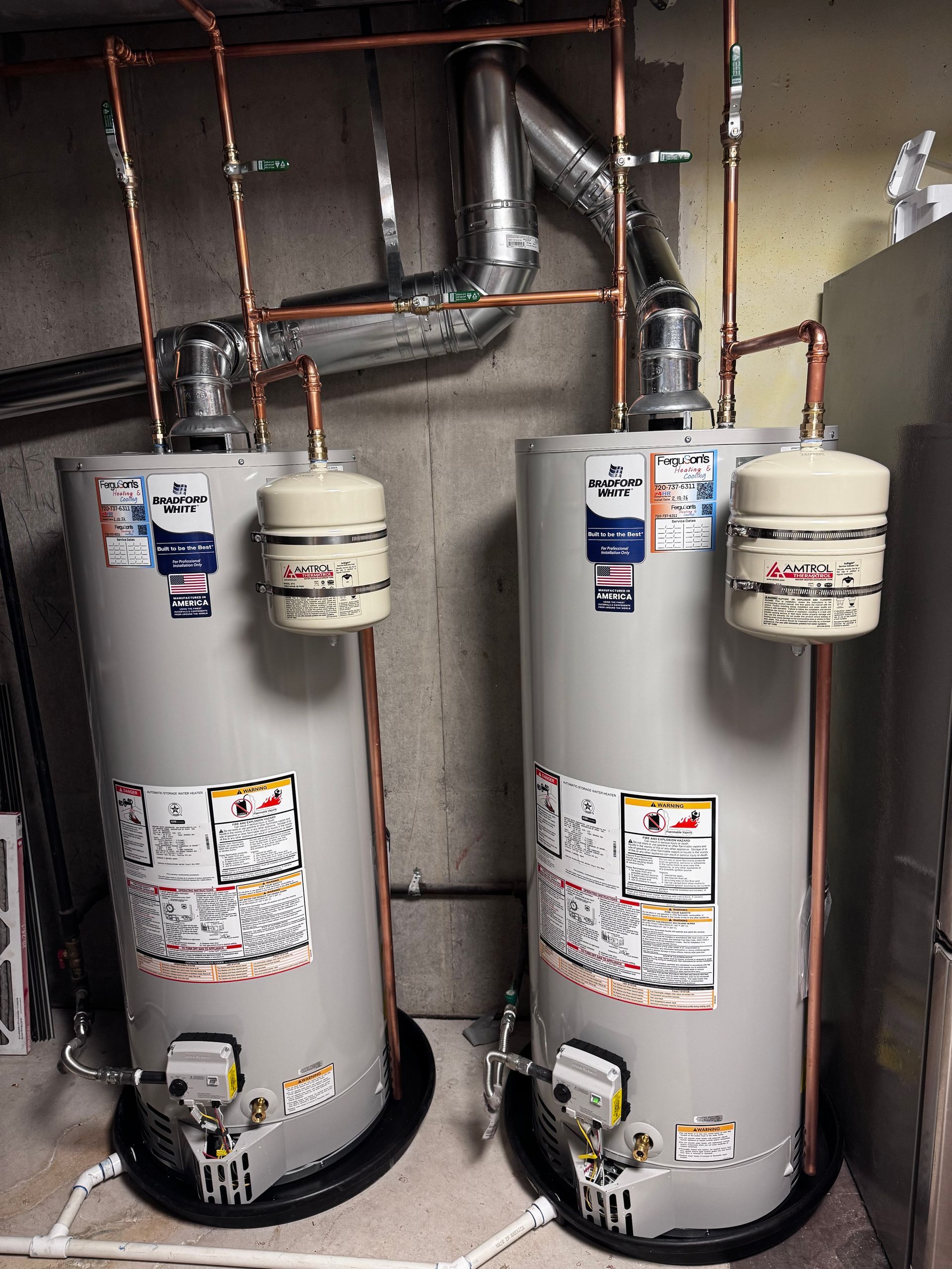
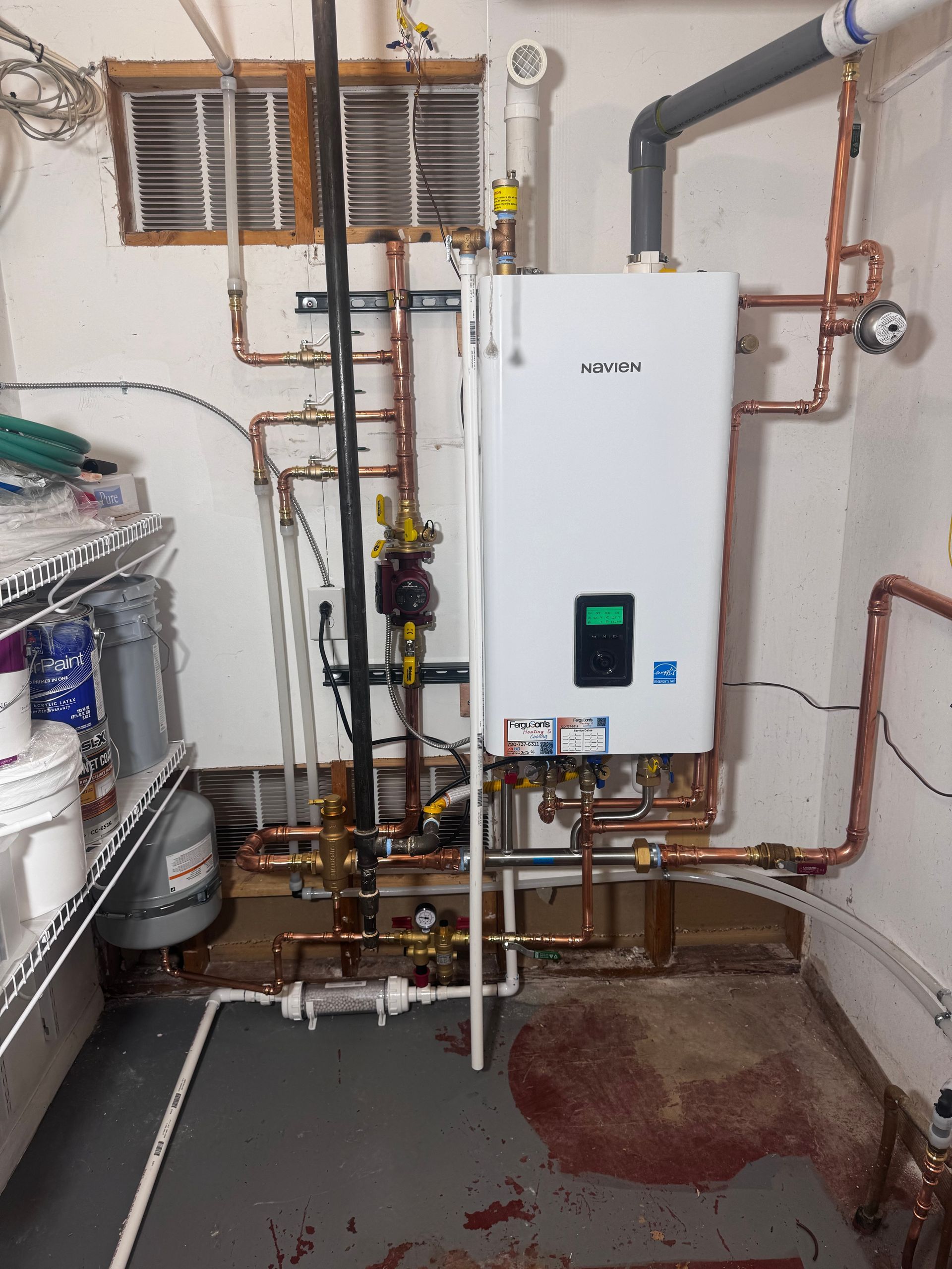
Most water heaters are built to last 8–12 years for tank models, and up to 20 years for tankless units, but that lifespan depends heavily on how well the system is maintained. A little attention a few times a year can be the difference between getting a full decade of reliable hot water and facing an unexpected replacement. Here's what our team at FerguSon's Heating & Cooling recommends every homeowner know. 1. Flush the Tank Annually Sediment naturally settles at the bottom of a tank water heater over time, especially in areas with hard water. This buildup forces the unit to work harder to heat water and can eventually cause corrosion at the tank's base. Draining and flushing the tank once a year clears sediment out and helps the system run efficiently. 2. Check the Anode Rod Every 2–3 Years The anode rod is a sacrificial metal rod inside the tank designed to attract corrosive elements in the water so the tank itself doesn't rust. Once it's mostly corroded away, the tank becomes vulnerable. Inspecting and replacing the anode rod every 2-3 years is one of the simplest ways to add years to your water heater's life. 3. Set the Right Temperature Water heaters are often set higher than necessary right out of the box. Keeping the thermostat around 120°F is hot enough for household needs while reducing mineral buildup, limiting wear on internal components, and lowering energy costs — plus reducing scald risk. 4. Test the Pressure Relief Valve The temperature and pressure (T&P) relief valve is a critical safety feature that releases pressure if it builds up too high inside the tank. Testing it once a year (by lifting the lever briefly and confirming water flows out, then shuts off) ensures it isn't stuck or corroded — which could otherwise lead to a dangerous pressure buildup. 5. Insulate the Tank and Pipes Adding an insulation blanket to older tank units and insulating the first few feet of hot water pipes reduces heat loss. This means the system doesn't have to cycle on as often to maintain temperature, which reduces wear and lowers utility bills. 6. Watch for Warning Signs Catching problems early can prevent a full failure. Signs to watch for include: Rusty or discolored water – may indicate internal tank corrosion Popping or rumbling noises – usually sediment buildup hardening at the bottom of the tank Water pooling near the unit – could mean a slow leak or a failing valve Inconsistent water temperature – often a sign the heating element or thermostat needs attention Rotten egg smell in hot water – can indicate bacteria in the tank, particularly in units that sit unused for periods 7. Schedule Annual Professional Maintenance Beyond the basics homeowners can do themselves, an annual inspection by a licensed technician can catch issues before they become costly. A professional visit typically includes checking the anode rod, testing the T&P valve, flushing the tank, inspecting for corrosion or leaks, and verifying the unit's connections and venting are safe. When Maintenance Isn't Enough Even with great care, water heaters don't last forever. If your unit is approaching or past its expected lifespan, is requiring repairs more than once a year, or is showing signs of tank corrosion, it may be more cost-effective to replace it than keep repairing it — especially since a failing tank can lead to sudden leaks or flooding. The Bottom Line Routine care, flushing the tank, checking the anode rod, keeping temperatures reasonable, and watching for warning signs can add years of reliable service to your water heater and help you avoid an unexpected cold shower or water damage from a sudden failure. Due for a water heater checkup, or noticing any of these warning signs? Ferguson's Heating and Cooling LLC is here to help. Call us today (720) 737-6311 to schedule a service.
By Cody Roy Ferguson September 22, 2026
If your home relies on a boiler for heat or hot water, a little know-how goes a long way. Boilers are known for being reliable and long-lasting, but like any mechanical system, they need regular care and knowing the warning signs of trouble can save you from a cold house and a costly repair bill. Here's what our team at FerguSon's Heating & Cooling wants every client to know about keeping a boiler running safely and efficiently. Common Boiler Problems and What They Mean No heat or hot water Usually points to a thermostat issue, low water pressure, a broken diaphragm, or an airlock in the system. Start by checking the thermostat settings and pressure gauge before assuming the worst. Strange noises (banging, whistling, or gurgling) Often called "kettling," this is typically caused by limescale or sludge buildup restricting water flow around the heat exchanger. It's common in hard-water areas and usually means the system needs a flush. Leaking or dripping Can come from a faulty pressure valve, corroded pipe, or a failing pump seal. Any active leak should be checked quickly, water damage near the electrical components can turn a simple fix into a safety issue. Pilot light keeps going out Often a sign of a faulty thermocouple, a draft, or a buildup of deposits. On modern boilers with electronic ignition, this can also signal a sensor or control board problem. Low boiler pressure Pressure naturally drops over time. If you're depressurizing often, it likely means there's a small leak somewhere in the system that should be located and repaired. Radiators heating unevenly (cold at the top or bottom) Cold tops usually mean trapped air (bleed the radiator). Cold bottoms often mean sludge buildup at the base, which may require a power flush. When to Call a Professional vs. When You Can DIY A few things like bleeding a radiator or checking your thermostat batteries are safe for homeowners to handle. But boilers involve gas, high-pressure water, and combustion, so anything beyond the basics should be left to a licensed technician. Call a professional if you notice: The smell of gas or rotten eggs Soot or scorch marks near the unit A yellow or flickering pilot flame (should be blue) Frequent shutdowns or error codes Any sign of a carbon monoxide issue — get out of the house and call for help immediately Why Regular Maintenance Matters An annual boiler tune-up isn't just a formality, it directly affects safety, efficiency, and lifespan. During a maintenance visit, a technician typically: Inspects and cleans the heat exchanger and burner Checks for carbon monoxide leaks and proper ventilation Tests water pressure and system controls Flushes sludge and mineral buildup Inspects seals, valves, and the flue for wear or corrosion Verifies safety devices are functioning correctly Routine maintenance can lower energy bills, prevent breakdowns during the coldest months, and extend your boiler's life by years. Many manufacturers also require proof of annual servicing to keep the warranty valid. Signs It Might Be Time to Upgrade Boilers typically last 10–15 years, sometimes longer with excellent care. Consider an upgrade if you're experiencing: Rising energy bills despite normal usage - older boilers lose efficiency over time Frequent repairs — if you're calling for service more than once a year, replacement may cost less long-term than continued repairs Age over 15 years — newer high-efficiency boilers (some rated 90%+ AFUE) can cut fuel costs significantly Inconsistent heating throughout the home Discontinued parts — older units can become harder and more expensive to repair as parts are phased out Upgrading isn't just about avoiding breakdowns — modern condensing boilers are significantly more energy-efficient, quieter, and often qualify for utility rebates or tax incentives. The Bottom Line A well-maintained boiler is a safe, efficient, and long-lasting way to heat your home. Catching small issues early — strange noises, pressure drops, uneven heating can prevent expensive emergency repairs and keep your system running smoothly for years. Need a boiler inspection, repair, or upgrade consultation? FerguSon's Heating & Cooling is here to help keep your home warm and safe all season long.
By Cody Roy Ferguson September 16, 2026
Your furnace and AC get most of the attention, but a lot of home comfort and efficiency comes down to smaller systems working alongside them: ceiling fans, attic fans, and general appliance upkeep. Here's what actually makes a difference.  Appliance Efficiency: The Basics HVAC-adjacent appliances: water heaters, humidifiers, dehumidifiers, thermostats all affect your system's overall efficiency, not just their own. Quick wins: Check your water heater's age and condition — most last 8-12 years; sediment buildup reduces efficiency over time Upgrade to a smart or programmable thermostat if you haven't, scheduling reduces unnecessary heating/cooling Service your humidifier before winter — Colorado's dry air means these run hard, and mineral buildup reduces performance Look for the ENERGY STAR label when replacing any HVAC-adjacent appliance Ceiling Fans: Not Just for Summer Ceiling fans are one of the cheapest ways to reduce HVAC load, but only if used correctly. Installation basics: Mount 7-9 feet from the floor and at least 10-12 inches below the ceiling for proper airflow Choose fan size based on room size, larger rooms need larger blade spans (a fan that's too small won't move enough air) Make sure the electrical box is fan-rated, standard light fixture boxes aren't built to support a fan's weight and movement The trick most people miss — reverse the direction seasonally: Summer: Counterclockwise, pushing air straight down for a cooling breeze Winter: Clockwise at low speed, pulling cool air up and pushing warm air (which naturally rises) back down into the room Maintenance: Dust blades regularly: buildup throws off balance and reduces efficiency Check for wobble, which usually means unbalanced blades or a loose mount Tighten screws and mounts annually, vibration loosens them over time Attic Fans: Your Home's Pressure Valve Colorado attics can hit extreme temperatures in summer, and that heat doesn't stay put, it radiates down into living spaces and forces your AC to work harder. Attic fans pull hot air out, easing that load. Types to know: Powered attic fans — thermostatically triggered, actively exhaust hot air Solar attic fans — no electrical cost, good fit for Colorado's high sun exposure Whole-house fans — pull cooler evening air through the house and push hot air out through the attic, useful during Colorado's cool summer nights Installation considerations: Proper attic ventilation needs balanced intake (soffit vents) and exhaust, a fan without adequate intake won't work efficiently and can even pull conditioned air from your living space instead Sizing matters: too small won't move enough air, too large can create pressure imbalances Placement affects performance needs to be positioned to actually pull air through the full attic space, not just near itself Maintenance: Check for debris, nests, or blockage at intake and exhaust points, especially after wind events Inspect wiring and thermostat function before summer heat hits Look for signs of moisture or condensation, a sign ventilation isn't balanced correctly Why This Matters Beyond Comfort Every one of these systems either reduces the workload on your furnace and AC, or adds to it. A ceiling fan running the wrong direction, an attic trapping heat with no exhaust, or an aging water heater pulling more power than it should, these all show up on your energy bill and shorten the life of your main HVAC equipment. A simple seasonal checklist: Reverse ceiling fan direction with the seasons Check attic fan operation and clear debris before summer Service humidifiers before winter, dehumidifiers before summer Replace aging water heaters proactively, not after failure Dust and inspect fans for wobble or wear twice a year None of these fixes are complicated on their own, but together, they take real pressure off your main heating and cooling system, and keep your home running efficiently year-round.
By Cody Roy Ferguson September 9, 2026
Your Pets Can't Tell You the House Feels Wrong. Your HVAC System Can. Your dog can't set the thermostat. Your cat can't complain that the air feels stale. When something's off with your home's heating or cooling, your pets don't get a vote, they just live with it, and quietly adjust their behavior in ways most of us never think to connect back to the HVAC system. But pets are actually some of the most sensitive "sensors" in your house. They're lower to the ground, they don't wear clothes, they can't take off a layer when they're too warm, and they spend far more hours at home than we do. When your furnace, AC, or air quality is off, they usually feel it first. Pets Feel Temperature Differently Than We Do A lot of pet owners assume their animal's fur coat means they're automatically fine in a cooler house, or automatically overheating in a warm one. In reality, comfortable temperature range depends heavily on breed, coat type, age, size, and health. Short-haired and small-breed dogs (think Chihuahuas, Greyhounds, French Bulldogs) often need a warmer indoor temperature than a human would choose for themselves, especially during a Colorado cold snap. Flat-faced breeds like pugs, bulldogs, Persian cats have a harder time regulating body temperature through panting, which makes stable indoor climate control more important for them, not less. Senior pets and very young animals lose the ability to self-regulate body temperature as efficiently, similar to elderly or very young humans. Cats , despite their reputation for finding the one warm sunbeam in the house, are also vulnerable to cold — outdoor and indoor-outdoor cats face real risk from Colorado's sudden temperature swings if there's no reliably heated space to retreat to. If your furnace is short-cycling, struggling to maintain a steady temperature, or leaving certain rooms colder than others, your pet is often the first one to notice long before a thermostat reading tells you anything's wrong. Uneven Heating and Cooling Hits Pets Harder Ever notice your dog camped out directly in front of a heating vent, or your cat suddenly sleeping somewhere new? That's often a pet doing its own manual troubleshooting for a house with uneven airflow. Uneven heating is usually a sign of one of a few underlying HVAC issues: Blocked or closed vents reducing airflow to certain rooms Duct leaks or poor insulation losing conditioned air before it reaches its destination A furnace or AC unit that's undersized, aging, or in need of maintenance , struggling to keep up with demand Dirty filters restricting airflow system-wide, which affects some rooms more than others depending on duct layout.  Pets who spend most of the day at home while you're at work experience these temperature swings for hours longer than you do. A slightly cold room might be a minor annoyance to you for twenty minutes in the morning — for your pet, it could be most of an afternoon. Air Quality Matters for Pets Too — Maybe More Colorado's dry climate, dust, and wildfire smoke seasons don't just affect human allergies and asthma. Pets can experience: Respiratory irritation from smoke, dust, and poor air filtration Worsened symptoms for pets with pre-existing conditions like asthma (yes, cats can have asthma) or brachycephalic airway issues Dry, itchy skin and dry nasal passages from low humidity, especially during furnace season Increased shedding and dander circulation when airflow and filtration aren't managed well, which can also affect the humans in the house A well-maintained HVAC system with a properly rated filter does double duty here: it protects your pet's respiratory comfort and keeps allergens and pet dander from building up and recirculating through the house. If anyone in your home has pet allergies, filtration quality isn't a luxury — it's a daily comfort issue for everyone under the roof. Carbon Monoxide Risk Isn't Just a Human Concern This one deserves its own callout. Pets are often affected by carbon monoxide exposure before humans notice any symptoms at all, partly because of their smaller body size and faster metabolism. Unusual lethargy, disorientation, vomiting, or your pet seeming "off" for no clear reason are all worth paying attention to, especially if it coincides with your furnace running more than usual. This is one more reason a professional combustion safety check as part of your fall furnace inspection isn't optional in our book — it's protecting every member of the household, two-legged and four-legged. A Few Practical Steps for Pet Owners Keep vents unblocked in rooms your pet spends the most time in, and check that furniture or pet beds haven't drifted in front of one Don't rely on your own comfort level as the only gauge — if you have a senior pet, a flat-faced breed, or a very small dog, they may need a warmer baseline than you'd choose for yourself Watch for behavior changes — a pet suddenly avoiding a normally favorite room, panting more than usual indoors, or seeking out unusual warm or cool spots can be an early signal something's off with your system Keep up with filter changes , especially during high-shedding seasons or wildfire smoke events Schedule seasonal HVAC maintenance before the temperature swings hit hard, so small airflow or combustion issues get caught before they become a bigger problem for anyone in the house The Bottom Line Your pets can't ask you to check the furnace. They can't tell you a room feels ten degrees colder than the thermostat says, or that the air has started to feel stuffy and stale. But a well-maintained, properly balanced HVAC system does that work for them — keeping the whole house comfortable and safe for every family member, including the ones who communicate in tail wags and cold noses instead of words. If it's been a while since your system's last tune-up, now's a good time to get ahead of it, for your comfort, and theirs.
By Cody Roy Ferguson September 9, 2026
Don't Wait Until the First Cold Night to Check Your Furnace You know how it goes in Colorado. One week you're grilling in a T-shirt at 70 degrees, and a few days later you're waking up to freezing temperatures. And, almost like Murphy's Law, that first really cold night seems to be exactly when a furnace decides it doesn't want to work. That's why we always recommend having your furnace or other heating system professionally inspected in the fall, before you really need it. Think about your furnace like your vehicle. You wouldn't want to wait until you're stranded on the side of the road to find out something needed maintenance. Your heating system is no different. Altitude Changes the Rules Here's something homeowners rarely hear from their HVAC company: furnaces don't perform the same at elevation as they do at sea level. Thinner air means less oxygen available for combustion, which affects how efficiently a furnace burns fuel and how completely it exhausts combustion byproducts, including carbon monoxide. Manufacturers actually specify altitude-adjusted settings for gas valves and burners above 2,000 feet, and most of Colorado's population centers sit well above that line. Denver alone is at 5,280 feet; Boulder, Colorado Springs, and the mountain corridor towns push even higher. A furnace tuned for sea-level performance and never adjusted for altitude isn't just less efficient — it's working against physics every single time it fires. That's a factory setting problem, not a "your furnace is old" problem, and it's one most maintenance checklists never even mention. There's More Going On Inside Your Furnace Than You Think A furnace has a lot of working parts, sensors, and safety controls that all have to work together. Some of those components can get dirty or start showing signs of wear without you noticing anything inside the house. Then the temperature drops, your furnace starts running harder and longer, and suddenly that small problem becomes a no-heat call. During a professional furnace inspection, we're looking at things such as the burner assembly, flame and safety sensors, blower motor and blower wheel, inducer motor, capacitors, electrical components and wiring, venting, filter, heat exchanger, and the overall operation of the system. A dirty sensor, weak capacitor, or motor that's beginning to fail might not seem like a big deal today. But catching it now can be a whole lot better than finding out about it at 2:00 in the morning when it's 5 degrees outside. A Dirty Furnace Can Cost You Money Maintenance isn't just about whether your furnace turns on. We also want to make sure it's operating properly and efficiently. For example, a dirty blower wheel can reduce airflow and make the blower motor work harder. Poor airflow can also cause the furnace to run at higher temperatures and potentially trip safety limits. Some motors and components can also show early signs of bearing or lubrication failure. Catching those problems early can sometimes prevent a much more expensive repair later. Short cycling is another problem we commonly see. If your furnace is constantly turning on and off instead of completing normal heating cycles, you may be using more energy, putting unnecessary wear on components, and shortening the life of the equipment. This sounds simple, but it's one of the most important things a homeowner can do: check your furnace filter regularly, and generally don't let it go longer than about three months. Some homes may need filter changes more frequently depending on the filter type, pets, construction, smoke, dust, and how much the HVAC system runs. Here in Colorado, we deal with extremely dry conditions, dust, and wildfire smoke — all of which can affect your indoor air and your HVAC filter. A severely dirty filter restricts airflow, which makes the blower work harder and can cause the furnace to overheat and trip its safety controls. Over time, poor airflow can contribute to unnecessary wear and potentially expensive repairs. A $15 or $20 filter is a whole lot cheaper than replacing a major furnace component. Don't forget about the inducer motor. Its job is establishing draft and moving combustion gases through the furnace's venting system — an important part of the system's overall safety. If the inducer, pressure switches, or venting aren't operating properly, modern furnaces have safety controls designed to prevent normal operation. What About Carbon Monoxide? This is one area we take very seriously. If your furnace is older, has significant rust or corrosion, or is showing other warning signs, we may recommend additional testing such as a combustion analysis. A combustion analysis gives a trained technician information about how the furnace is burning fuel and helps identify combustion or venting problems that need attention. We also recommend having properly located carbon monoxide alarms throughout your home, and testing them regularly. CO alarms don't last forever, so check the manufacturer's replacement date printed on your alarms and replace them when required.  HVAC Equipment Isn't Getting Any Cheaper There's one more reason preventive maintenance matters: the cost of replacing HVAC equipment keeps going up. Your furnace is an investment in your home. Just like maintaining your vehicle can help you get more miles out of it, properly maintaining your heating and cooling equipment can help identify problems early, keep the equipment operating properly, and give it the best opportunity to reach its expected service life.
By Cody Roy Ferguson April 9, 2026
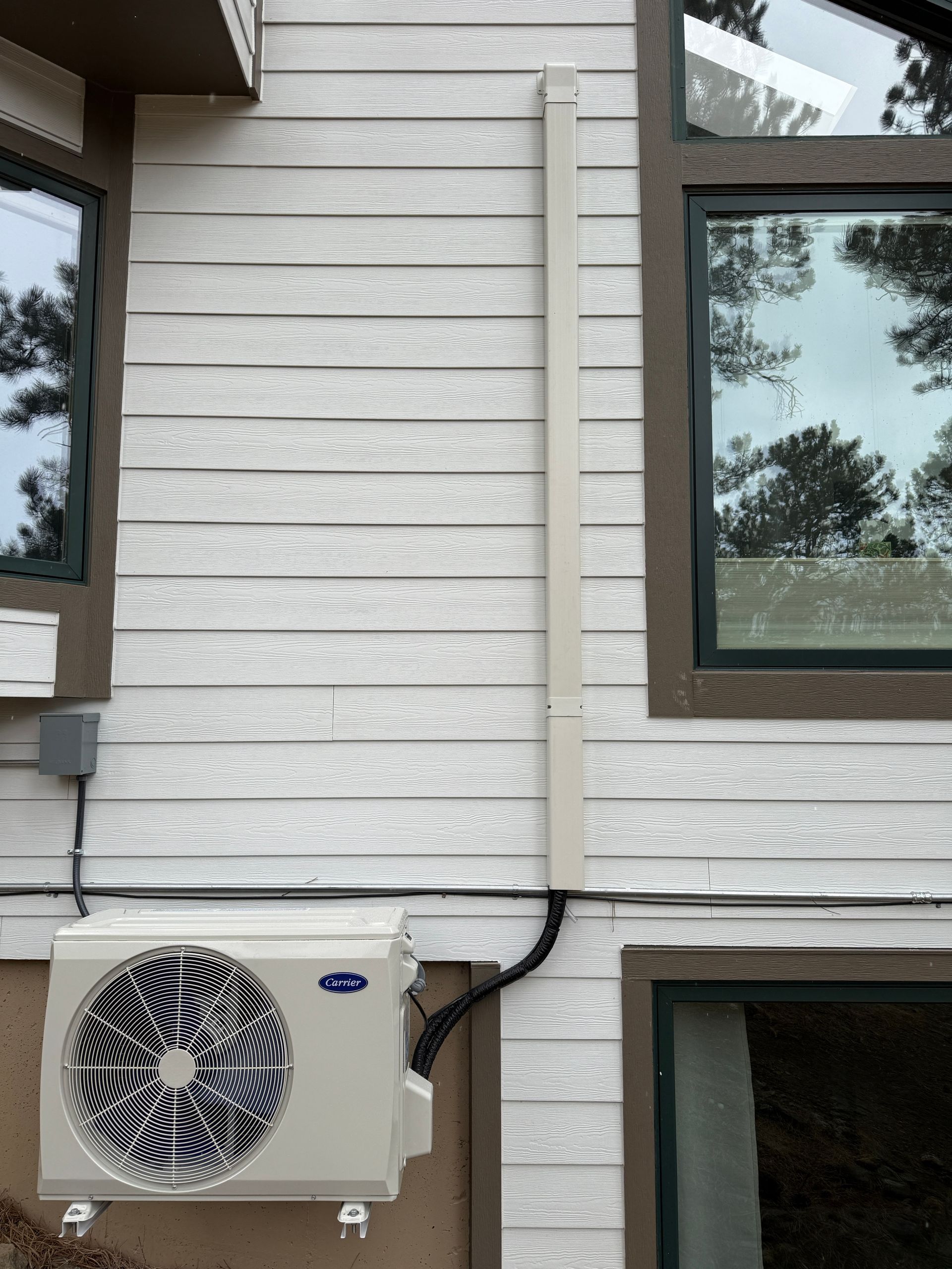
Why Mini Split Systems Are Taking Over Modern Home Comfort
By Cody Roy Ferguson March 11, 2026
If your furnace or air conditioner stops working during a Colorado cold snap, the first question most homeowners ask is: Should I repair it or replace it? Many HVAC professionals use something called the $5,000 Rule to help homeowners make that decision. This simple formula can help determine whether a repair makes financial sense or if investing in a new HVAC system is the smarter long-term move. For homeowners in Denver, Glendale, Aurora, and the surrounding Colorado Front Range, this rule can be especially helpful because our extreme winter temperatures and dry climate put extra strain on heating systems. What Is the $5,000 Rule in HVAC? The $5,000 Rule is a quick way to evaluate whether repairing your heating or cooling system is worth the cost. The formula works like this: Age of your HVAC system × Cost of the repair If the number is more than $5,000, replacing the system is usually the better investment. If the number is less than $5,000, repairing the system may still be the right choice. This rule is commonly used by HVAC contractors in Colorado to help homeowners avoid putting too much money into aging systems. Example: Furnace Repair vs Replacement in Colorado Let’s say your gas furnace in Denver is 12 years old and needs a $400 repair. 12 × 400 = 4,800 Because the number is under $5,000, repairing the furnace may make sense. Now consider another example. Your air conditioner is 14 years old, and the repair cost is $500. 14 × 500 = 7,000 Since the number is above $5,000, replacing the system may be the better long-term investment. This is especially true in Colorado homes where HVAC systems run heavily during freezing winters and hot summer afternoons. Why the $5,000 Rule Matters in Colorado Colorado’s climate is tough on HVAC equipment. Between sub-zero winter temperatures, r apid weather swings, and dry air, heating systems work harder than they do in many other states. Because of this, older systems often experience: Frequent furnace repairs Reduced heating efficiency Higher energy bills during winter Difficulty maintaining consistent temperatures Using the $5,000 Rule can help homeowners decide whether continuing repairs are worth the cost. Average Lifespan of HVAC Systems in Colorado Due to heavy seasonal use, HVAC equipment in Colorado typically lasts: Gas furnaces: 15–20 years Central air conditioners: 12–15 years Heat pumps: 10–15 years If your system is approaching the end of its lifespan, investing in HVAC replacement in the Denver area may save money in the long run . Signs Your HVAC System May Need Replacement Even if the $5,000 Rule suggests repair, some warning signs may indicate that replacement is the better option. Watch for: Increasing energy bills Uneven temperatures throughout your home Frequent furnace or AC repairs Poor airflow A system that runs constantly during Colorado winters Many homeowners searching for furnace repair in Denver discover that their system is simply reaching the end of its life. Benefits of Installing a New HVAC System Upgrading to a modern system offers several advantages for Colorado homeowners. Lower energy bills High-efficiency furnaces and air conditioners use significantly less energy. Better comfort during extreme weather New systems handle Colorado’s temperature swings much more effectively. Improved indoor air quality Modern HVAC systems include better filtration and humidity control. Fewer unexpected breakdowns New equipment comes with manufacturer warranties and improved reliability. When a Furnace Repair Still Makes Sense In many situations, repairing your system is still the right decision. A repair is often worthwhile if: Your furnace or AC is less than 10 years old The repair cost is relatively small The system has been well maintained The $5,000 Rule result is well below the threshold An experienced Colorado HVAC technician can inspect your system and provide honest recommendations based on its condition. Need HVAC Repair or Replacement in the Denver Area? If your furnace or air conditioner is struggling to keep up with Colorado’s winter temperatures, it may be time to evaluate whether a repair or replacement makes more sense. Understanding the $5,000 HVAC Rule is a great first step in making a smart decision for your home , comfort, and long-term energy costs. Working with a trusted local HVAC contractor in the Denver metro area ensures you receive expert advice and reliable service when you need it most. Any Other Questions? Call us at 720-737-7311
By Cody Roy Ferguson February 23, 2026
How Upgrading Your Thermostat Saves Energy, Money, and Improves Comfort
By Cody Roy Ferguson February 3, 2026
What to Do When Your Heat Stops Working in Colorado’s Cold Weather
By Cody Roy Ferguson January 28, 2026
Winter in Colorado brings cold temperatures, snowy days, and more time spent indoors — especially for your pets . While keeping your home warm is a top priority, it’s just as important to ensure your heating system is pet-friendly, efficient, and safe . At FerguSon’s Heating & Cooling, we help homeowners create comfortable indoor environments for every family member—four-legged ones included. Here are some essential winter HVAC tips to help protect your pets and keep your home running efficiently all season long. 1. Protect Your Vents and Ductwork Pets love warm air, and floor vents can quickly become favorite nap spots. While this is adorable, blocked vents can restrict airflow and make your furnace work harder. Make sure vents remain clear and consider using vent covers that allow air to flow while keeping paws and fur out of your duct system. 2. Change Air Filters More Often Pet hair and dander can quickly clog your HVAC air filter , especially during winter when systems run more frequently . A dirty filter reduces indoor air quality and forces your furnace to work overtime . We recommend checking filters monthly and replacing them as needed to maintain clean air and optimal performance. 3. Maintain Safe Indoor Temperatures Pets are sensitive to extreme cold and heat. Keeping your thermostat set to a consistent, comfortable temperature helps protect them from cold drafts and sudden changes . A programmable or smart thermostat can help maintain steady warmth while improving energy efficiency. 4. Keep Heating Equipment Secure Curious pets may investigate furnaces, space heaters, or exposed HVAC components . Make sure your heating system is properly enclosed, and avoid placing pet beds or toys near heat sources to reduce the risk of accidents. 5. Schedule a Winter HVAC Tune-Up A professional furnace inspection ensures your system is running safely and efficiently . This not only helps prevent breakdowns during cold snaps but also ensures proper airflow and clean air circulation for you and your pets . Trust FerguSon’s Heating & Cooling This Winter Your pets depend on you to keep them warm, safe, and comfortable —and your HVAC system plays a major role in that. At FerguSon’s Heating & Cooling, we specialize in winter furnace maintenance , repairs , and indoor air quality solutions for Colorado homeowners. If you’re ready to give your home—and your pets— the comfort they deserve this winter , contact our team today to schedule your seasonal HVAC service. Any Other Questions? Call us at 720-737-7311