Appliance Efficiency, Ceiling Fans, and Attic Fans: Small Systems, Big Impact on Your Energy Bill
Your furnace and AC get most of the attention, but a lot of home comfort and efficiency comes down to smaller systems working alongside them: ceiling fans, attic fans, and general appliance upkeep. Here's what actually makes a difference.
Appliance Efficiency: The Basics
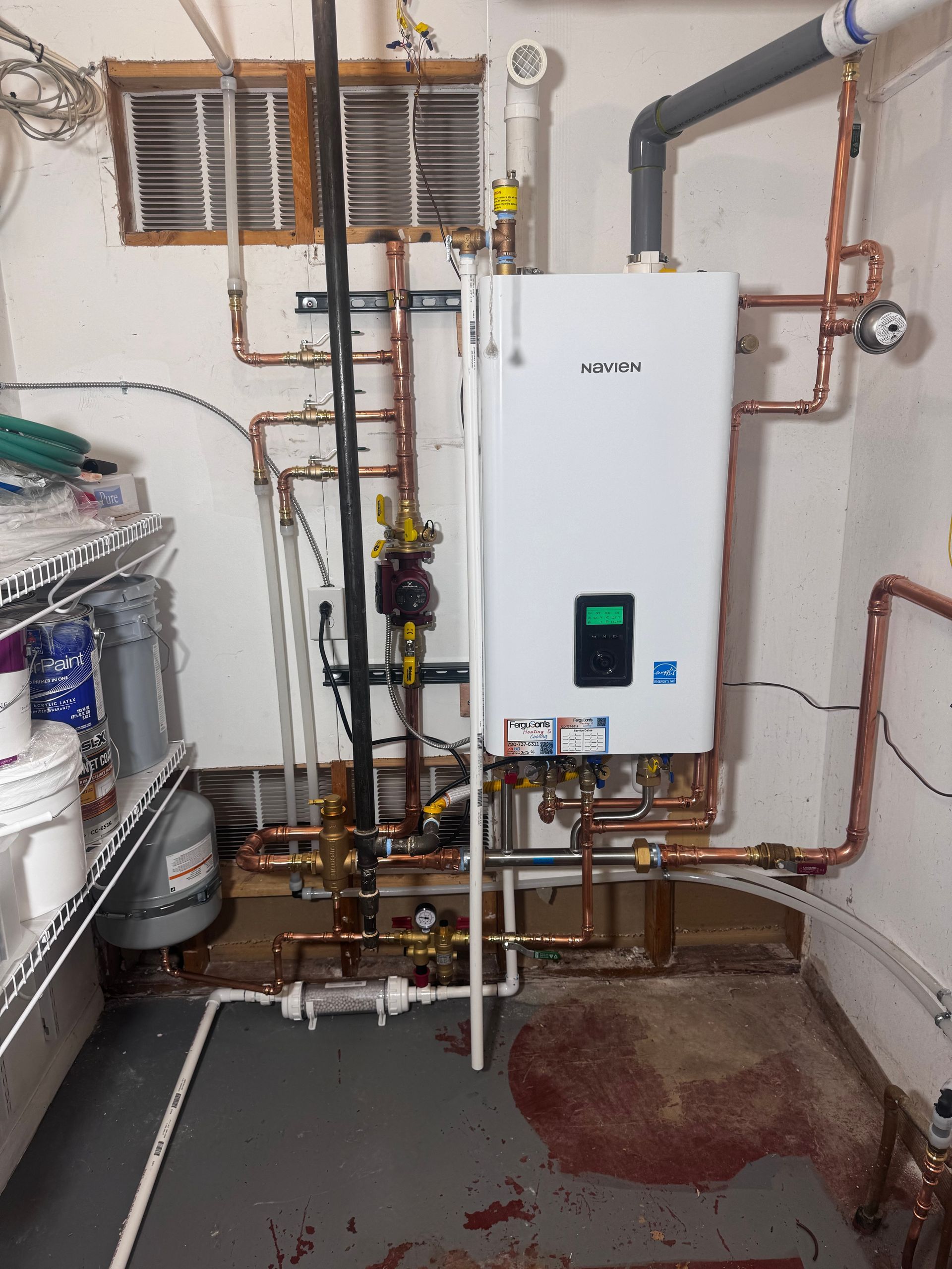
HVAC-adjacent appliances: water heaters, humidifiers, dehumidifiers, thermostats all affect your system's overall efficiency, not just their own.
Quick wins:
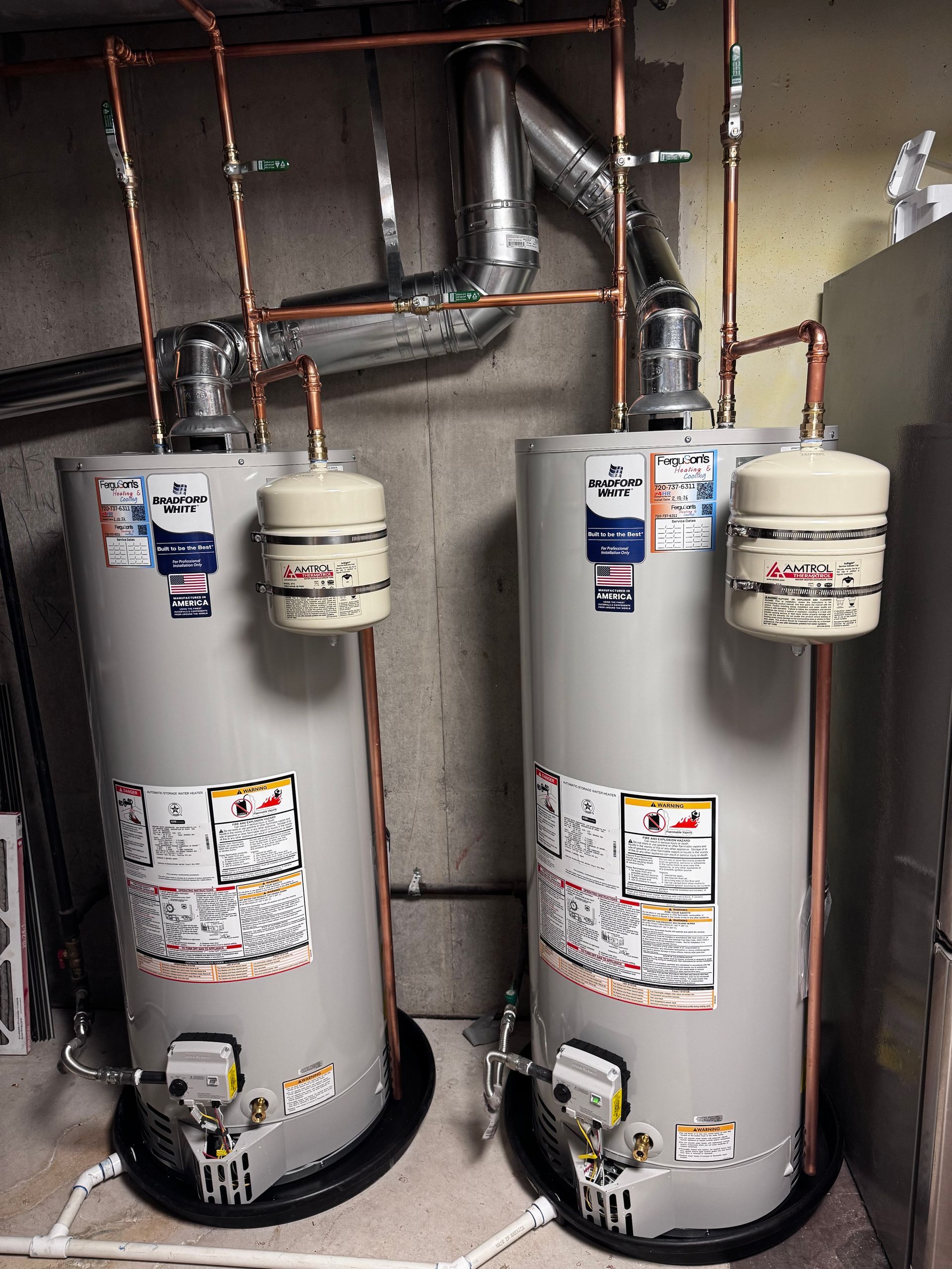
- Check your water heater's age and condition — most last 8-12 years; sediment buildup reduces efficiency over time
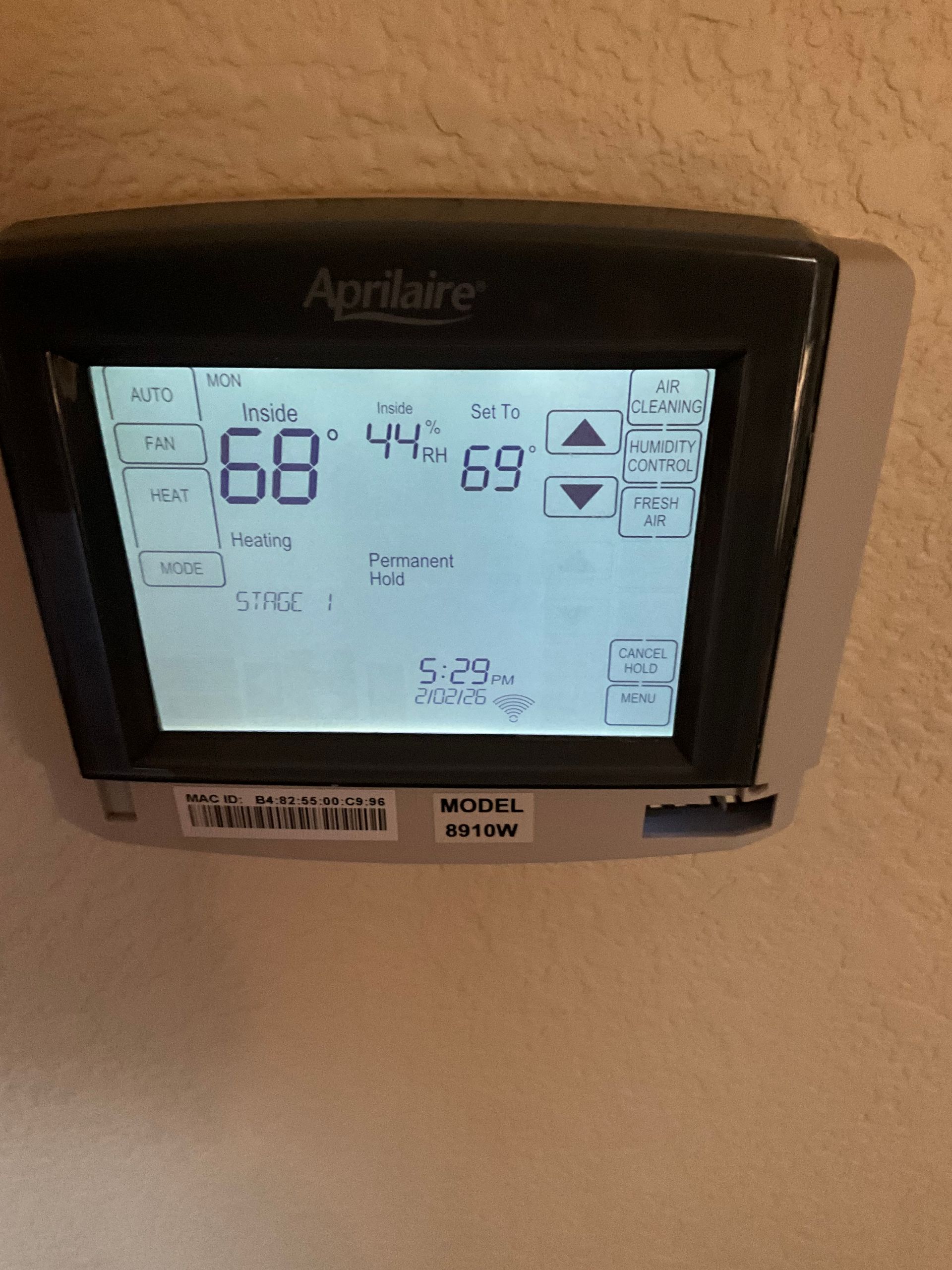
- Upgrade to a smart or programmable thermostat if you haven't, scheduling reduces unnecessary heating/cooling
- Service your humidifier before winter — Colorado's dry air means these run hard, and mineral buildup reduces performance
- Look for the ENERGY STAR label when replacing any HVAC-adjacent appliance
Ceiling Fans: Not Just for Summer
Ceiling fans are one of the cheapest ways to reduce HVAC load, but only if used correctly.
Installation basics:
- Mount 7-9 feet from the floor and at least 10-12 inches below the ceiling for proper airflow
- Choose fan size based on room size, larger rooms need larger blade spans (a fan that's too small won't move enough air)
- Make sure the electrical box is fan-rated, standard light fixture boxes aren't built to support a fan's weight and movement
The trick most people miss — reverse the direction seasonally:
- Summer: Counterclockwise, pushing air straight down for a cooling breeze
- Winter: Clockwise at low speed, pulling cool air up and pushing warm air (which naturally rises) back down into the room
Maintenance:
- Dust blades regularly: buildup throws off balance and reduces efficiency
- Check for wobble, which usually means unbalanced blades or a loose mount
- Tighten screws and mounts annually, vibration loosens them over time
Attic Fans: Your Home's Pressure Valve
Colorado attics can hit extreme temperatures in summer, and that heat doesn't stay put, it radiates down into living spaces and forces your AC to work harder. Attic fans pull hot air out, easing that load.
Types to know:
- Powered attic fans — thermostatically triggered, actively exhaust hot air
- Solar attic fans — no electrical cost, good fit for Colorado's high sun exposure
- Whole-house fans — pull cooler evening air through the house and push hot air out through the attic, useful during Colorado's cool summer nights
Installation considerations:
- Proper attic ventilation needs balanced intake (soffit vents) and exhaust, a fan without adequate intake won't work efficiently and can even pull conditioned air from your living space instead
- Sizing matters: too small won't move enough air, too large can create pressure imbalances
- Placement affects performance needs to be positioned to actually pull air through the full attic space, not just near itself
Maintenance:
- Check for debris, nests, or blockage at intake and exhaust points, especially after wind events
- Inspect wiring and thermostat function before summer heat hits
- Look for signs of moisture or condensation, a sign ventilation isn't balanced correctly
Why This Matters Beyond Comfort
Every one of these systems either reduces the workload on your furnace and AC, or adds to it. A ceiling fan running the wrong direction, an attic trapping heat with no exhaust, or an aging water heater pulling more power than it should, these all show up on your energy bill and shorten the life of your main HVAC equipment.
A simple seasonal checklist:
- Reverse ceiling fan direction with the seasons
- Check attic fan operation and clear debris before summer
- Service humidifiers before winter, dehumidifiers before summer
- Replace aging water heaters proactively, not after failure
- Dust and inspect fans for wobble or wear twice a year
None of these fixes are complicated on their own, but together, they take real pressure off your main heating and cooling system, and keep your home running efficiently year-round.