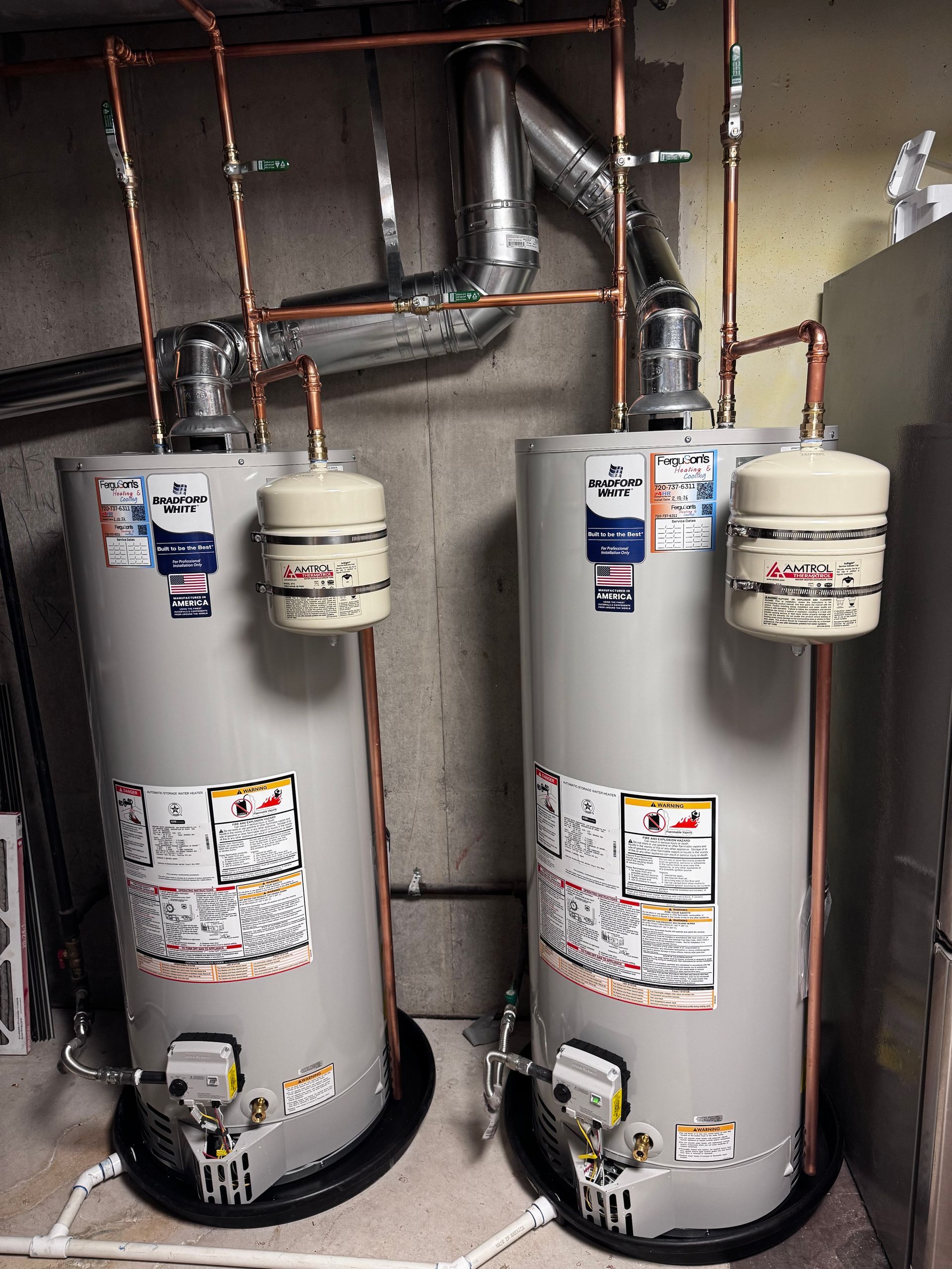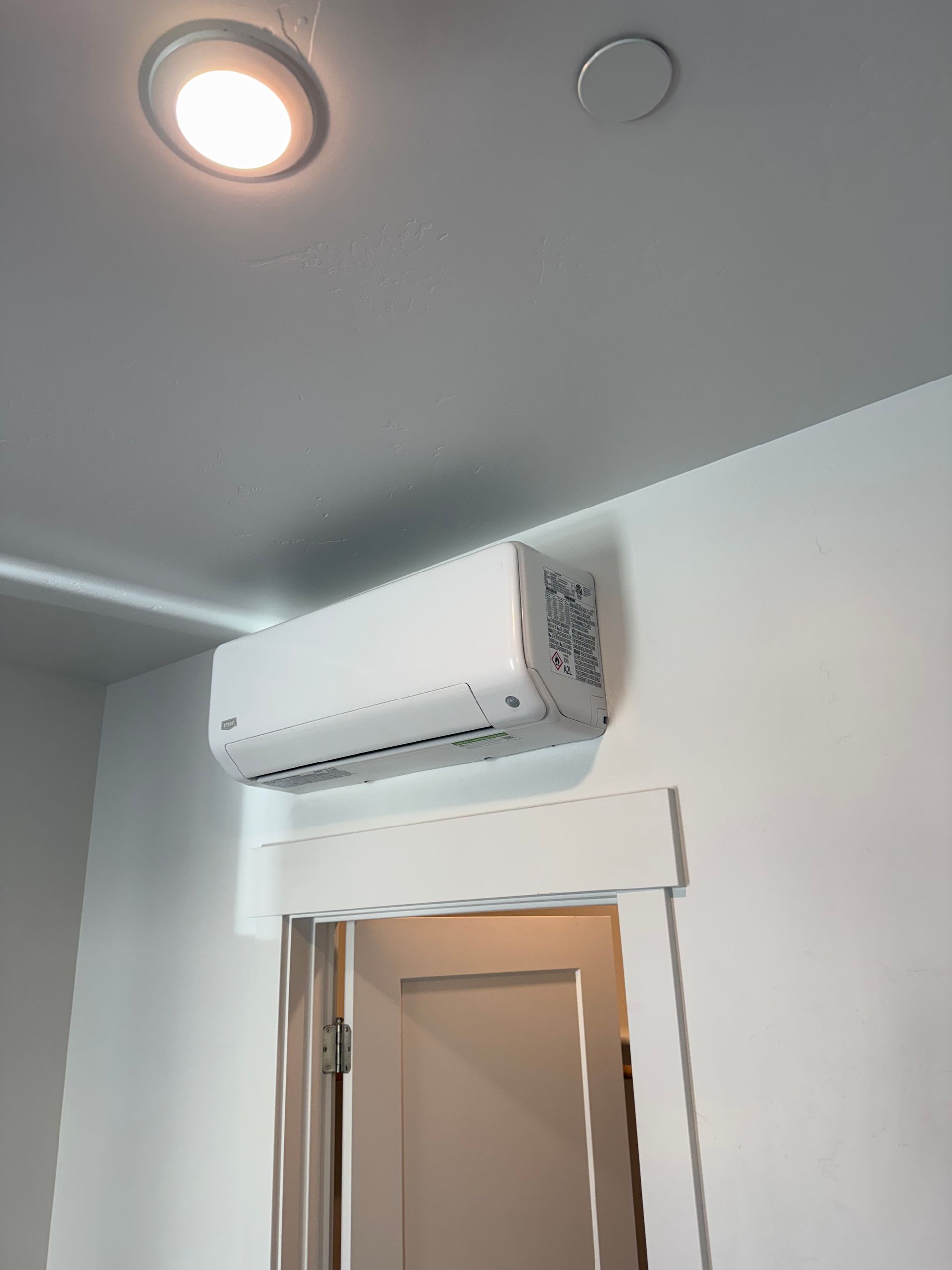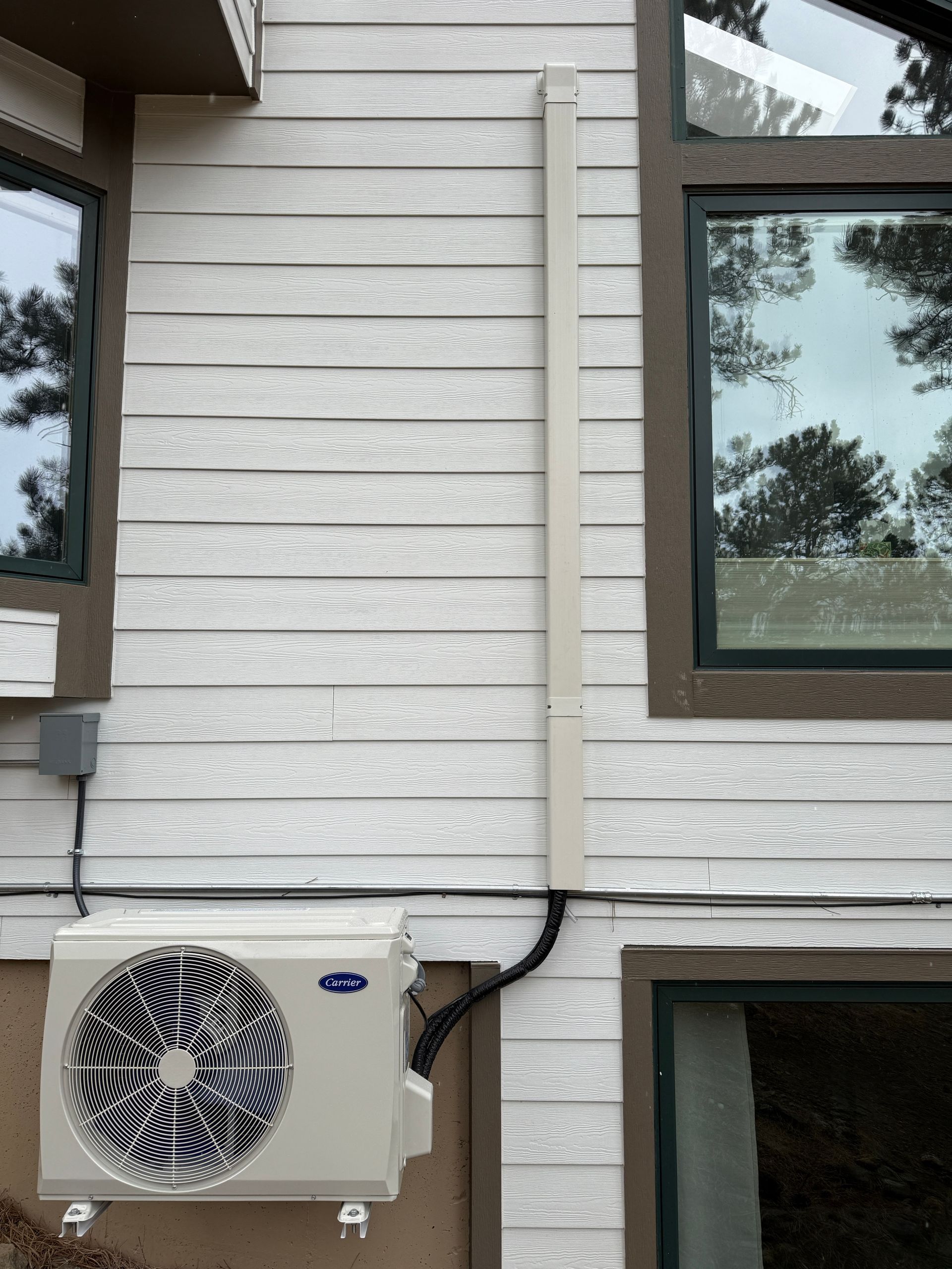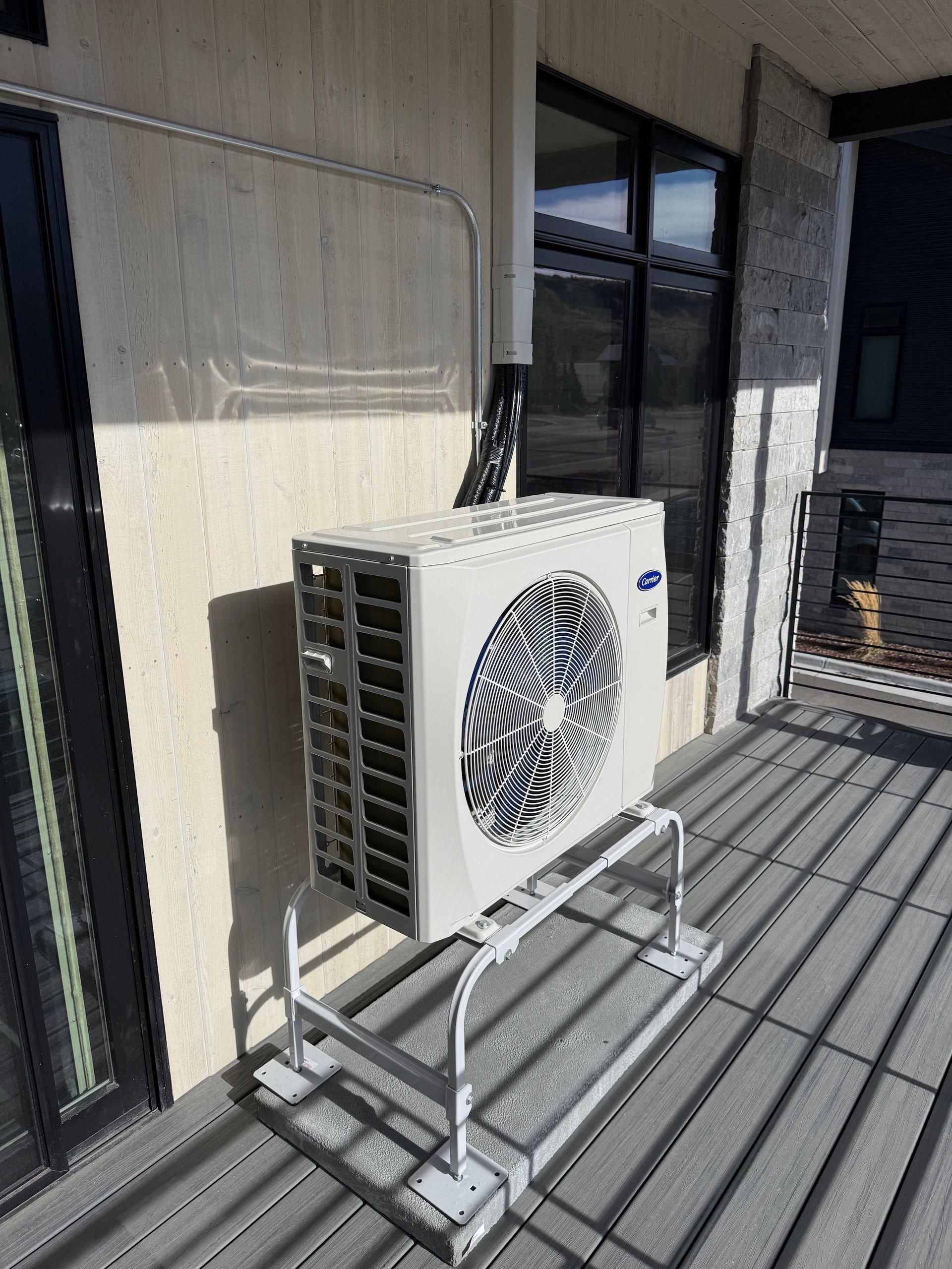
Boiler Troubleshooting, Maintenance & Upgrades: What Every Homeowner Should Know
If your home relies on a boiler for heat or hot water, a little know-how goes a long way. Boilers are known for being reliable and long-lasting, but like any mechanical system, they need regular care and knowing the warning signs of trouble can save you from a cold house and a costly repair bill.
Here's what our team at FerguSon's Heating & Cooling wants every client to know about keeping a boiler running safely and efficiently.
Common Boiler Problems and What They Mean
- No heat or hot water Usually points to a thermostat issue, low water pressure, a broken diaphragm, or an airlock in the system. Start by checking the thermostat settings and pressure gauge before assuming the worst.
- Strange noises (banging, whistling, or gurgling) Often called "kettling," this is typically caused by limescale or sludge buildup restricting water flow around the heat exchanger. It's common in hard-water areas and usually means the system needs a flush.
- Leaking or dripping Can come from a faulty pressure valve, corroded pipe, or a failing pump seal. Any active leak should be checked quickly, water damage near the electrical components can turn a simple fix into a safety issue.
- Pilot light keeps going out Often a sign of a faulty thermocouple, a draft, or a buildup of deposits. On modern boilers with electronic ignition, this can also signal a sensor or control board problem.
- Low boiler pressure Pressure naturally drops over time. If you're depressurizing often, it likely means there's a small leak somewhere in the system that should be located and repaired.
- Radiators heating unevenly (cold at the top or bottom) Cold tops usually mean trapped air (bleed the radiator). Cold bottoms often mean sludge buildup at the base, which may require a power flush.
When to Call a Professional vs. When You Can DIY
A few things like bleeding a radiator or checking your thermostat batteries are safe for homeowners to handle. But boilers involve gas, high-pressure water, and combustion, so anything beyond the basics should be left to a licensed technician. Call a professional if you notice:
- The smell of gas or rotten eggs
- Soot or scorch marks near the unit
- A yellow or flickering pilot flame (should be blue)
- Frequent shutdowns or error codes
- Any sign of a carbon monoxide issue — get out of the house and call for help immediately
Why Regular Maintenance Matters
An annual boiler tune-up isn't just a formality, it directly affects safety, efficiency, and lifespan. During a maintenance visit, a technician typically:
- Inspects and cleans the heat exchanger and burner
- Checks for carbon monoxide leaks and proper ventilation
- Tests water pressure and system controls
- Flushes sludge and mineral buildup
- Inspects seals, valves, and the flue for wear or corrosion
- Verifies safety devices are functioning correctly
Routine maintenance can lower energy bills, prevent breakdowns during the coldest months, and extend your boiler's life by years. Many manufacturers also require proof of annual servicing to keep the warranty valid.
Signs It Might Be Time to Upgrade
Boilers typically last 10–15 years, sometimes longer with excellent care. Consider an upgrade if you're experiencing:
- Rising energy bills despite normal usage - older boilers lose efficiency over time
- Frequent repairs — if you're calling for service more than once a year, replacement may cost less long-term than continued repairs
- Age over 15 years — newer high-efficiency boilers (some rated 90%+ AFUE) can cut fuel costs significantly
- Inconsistent heating throughout the home
- Discontinued parts — older units can become harder and more expensive to repair as parts are phased out
Upgrading isn't just about avoiding breakdowns — modern condensing boilers are significantly more energy-efficient, quieter, and often qualify for utility rebates or tax incentives.
The Bottom Line
A well-maintained boiler is a safe, efficient, and long-lasting way to heat your home. Catching small issues early — strange noises, pressure drops, uneven heating can prevent expensive emergency repairs and keep your system running smoothly for years.
Need a boiler inspection, repair, or upgrade consultation? FerguSon's Heating & Cooling is here to help keep your home warm and safe all season long.