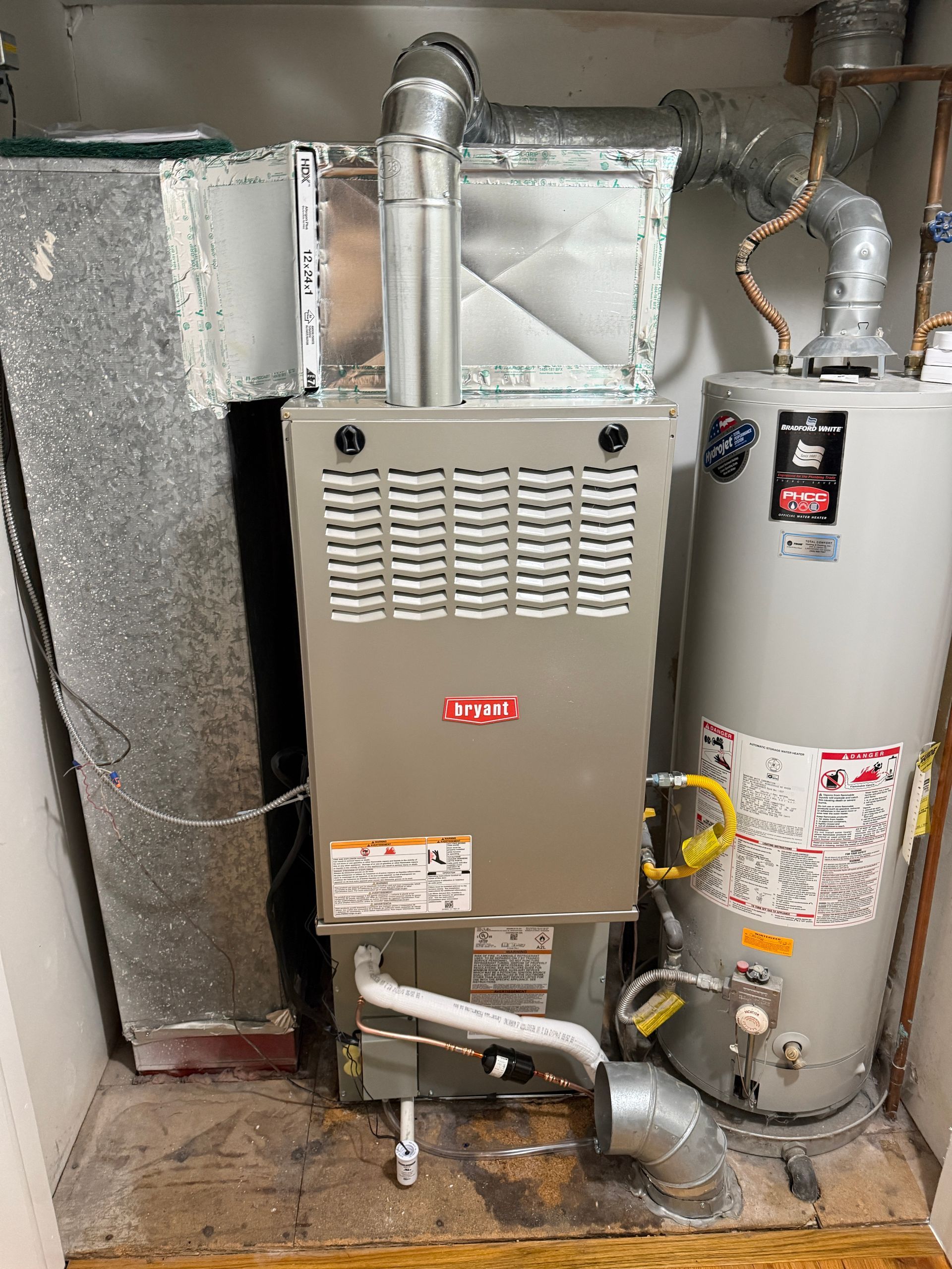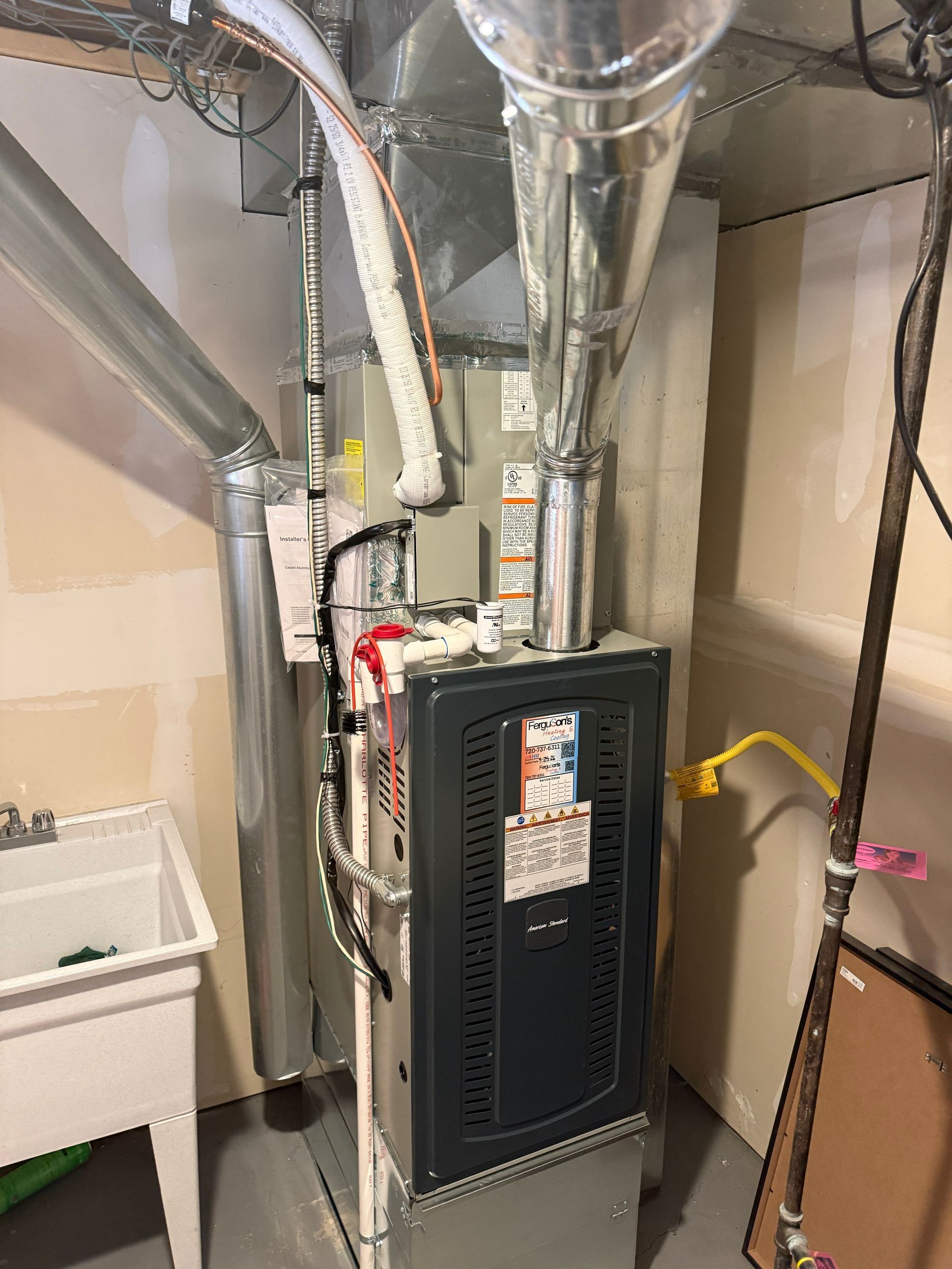
How important it is to have furnace maintenance before the cold hits
Don't Wait Until the First Cold Night to Check Your Furnace
You know how it goes in Colorado. One week you're grilling in a T-shirt at 70 degrees, and a few days later you're waking up to freezing temperatures.
And, almost like Murphy's Law, that first really cold night seems to be exactly when a furnace decides it doesn't want to work. That's why we always recommend having your furnace or other heating system professionally inspected in the fall, before you really need it.
Think about your furnace like your vehicle. You wouldn't want to wait until you're stranded on the side of the road to find out something needed maintenance. Your heating system is no different.
Altitude Changes the Rules
Here's something homeowners rarely hear from their HVAC company: furnaces don't perform the same at elevation as they do at sea level. Thinner air means less oxygen available for combustion, which affects how efficiently a furnace burns fuel and how completely it exhausts combustion byproducts, including carbon monoxide. Manufacturers actually specify altitude-adjusted settings for gas valves and burners above 2,000 feet, and most of Colorado's population centers sit well above that line. Denver alone is at 5,280 feet; Boulder, Colorado Springs, and the mountain corridor towns push even higher.
A furnace tuned for sea-level performance and never adjusted for altitude isn't just less efficient — it's working against physics every single time it fires. That's a factory setting problem, not a "your furnace is old" problem, and it's one most maintenance checklists never even mention.
There's More Going On Inside Your Furnace Than You Think
A furnace has a lot of working parts, sensors, and safety controls that all have to work together. Some of those components can get dirty or start showing signs of wear without you noticing anything inside the house. Then the temperature drops, your furnace starts running harder and longer, and suddenly that small problem becomes a no-heat call.
During a professional furnace inspection, we're looking at things such as the burner assembly, flame and safety sensors, blower motor and blower wheel, inducer motor, capacitors, electrical components and wiring, venting, filter, heat exchanger, and the overall operation of the system.
A dirty sensor, weak capacitor, or motor that's beginning to fail might not seem like a big deal today. But catching it now can be a whole lot better than finding out about it at 2:00 in the morning when it's 5 degrees outside.
A Dirty Furnace Can Cost You Money
Maintenance isn't just about whether your furnace turns on. We also want to make sure it's operating properly and efficiently. For example, a dirty blower wheel can reduce airflow and make the blower motor work harder. Poor airflow can also cause the furnace to run at higher temperatures and potentially trip safety limits.
Some motors and components can also show early signs of bearing or lubrication failure. Catching those problems early can sometimes prevent a much more expensive repair later.
Short cycling is another problem we commonly see. If your furnace is constantly turning on and off instead of completing normal heating cycles, you may be using more energy, putting unnecessary wear on components, and shortening the life of the equipment.
This sounds simple, but it's one of the most important things a homeowner can do: check your furnace filter regularly, and generally don't let it go longer than about three months. Some homes may need filter changes more frequently depending on the filter type, pets, construction, smoke, dust, and how much the HVAC system runs.
Here in Colorado, we deal with extremely dry conditions, dust, and wildfire smoke — all of which can affect your indoor air and your HVAC filter. A severely dirty filter restricts airflow, which makes the blower work harder and can cause the furnace to overheat and trip its safety controls. Over time, poor airflow can contribute to unnecessary wear and potentially expensive repairs.
A $15 or $20 filter is a whole lot cheaper than replacing a major furnace component.
Don't forget about the inducer motor. Its job is establishing draft and moving combustion gases through the furnace's venting system — an important part of the system's overall safety. If the inducer, pressure switches, or venting aren't operating properly, modern furnaces have safety controls designed to prevent normal operation.
What About Carbon Monoxide?
This is one area we take very seriously. If your furnace is older, has significant rust or corrosion, or is showing other warning signs, we may recommend additional testing such as a combustion analysis.
A combustion analysis gives a trained technician information about how the furnace is burning fuel and helps identify combustion or venting problems that need attention. We also recommend having properly located carbon monoxide alarms throughout your home, and testing them regularly. CO alarms don't last forever, so check the manufacturer's replacement date printed on your alarms and replace them when required.
HVAC Equipment Isn't Getting Any Cheaper
There's one more reason preventive maintenance matters: the cost of replacing HVAC equipment keeps going up.
Your furnace is an investment in your home. Just like maintaining your vehicle can help you get more miles out of it, properly maintaining your heating and cooling equipment can help identify problems early, keep the equipment operating properly, and give it the best opportunity to reach its expected service life.