Mini Split Systems and Why They are the Future
Why Mini Split Systems Are Taking Over Modern Home Comfort
If you’ve been exploring new ways to heat and cool your home efficiently, you’ve probably come across mini split systems. Once considered a niche solution, mini splits have quickly become one of the most popular HVAC options for homeowners looking for flexibility, energy savings, and improved comfort.
So what exactly makes them so appealing?
What Is a Mini Split System?
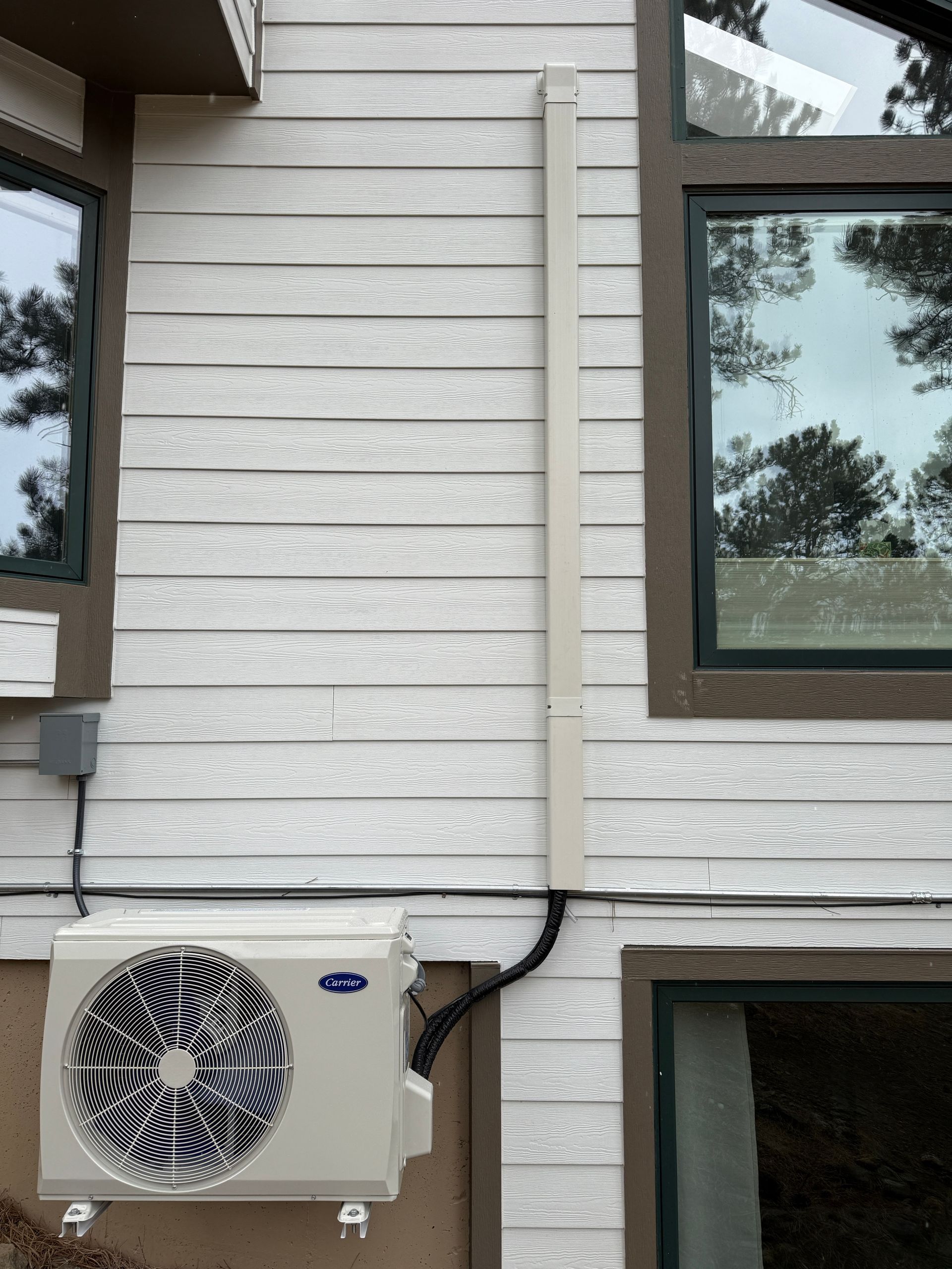
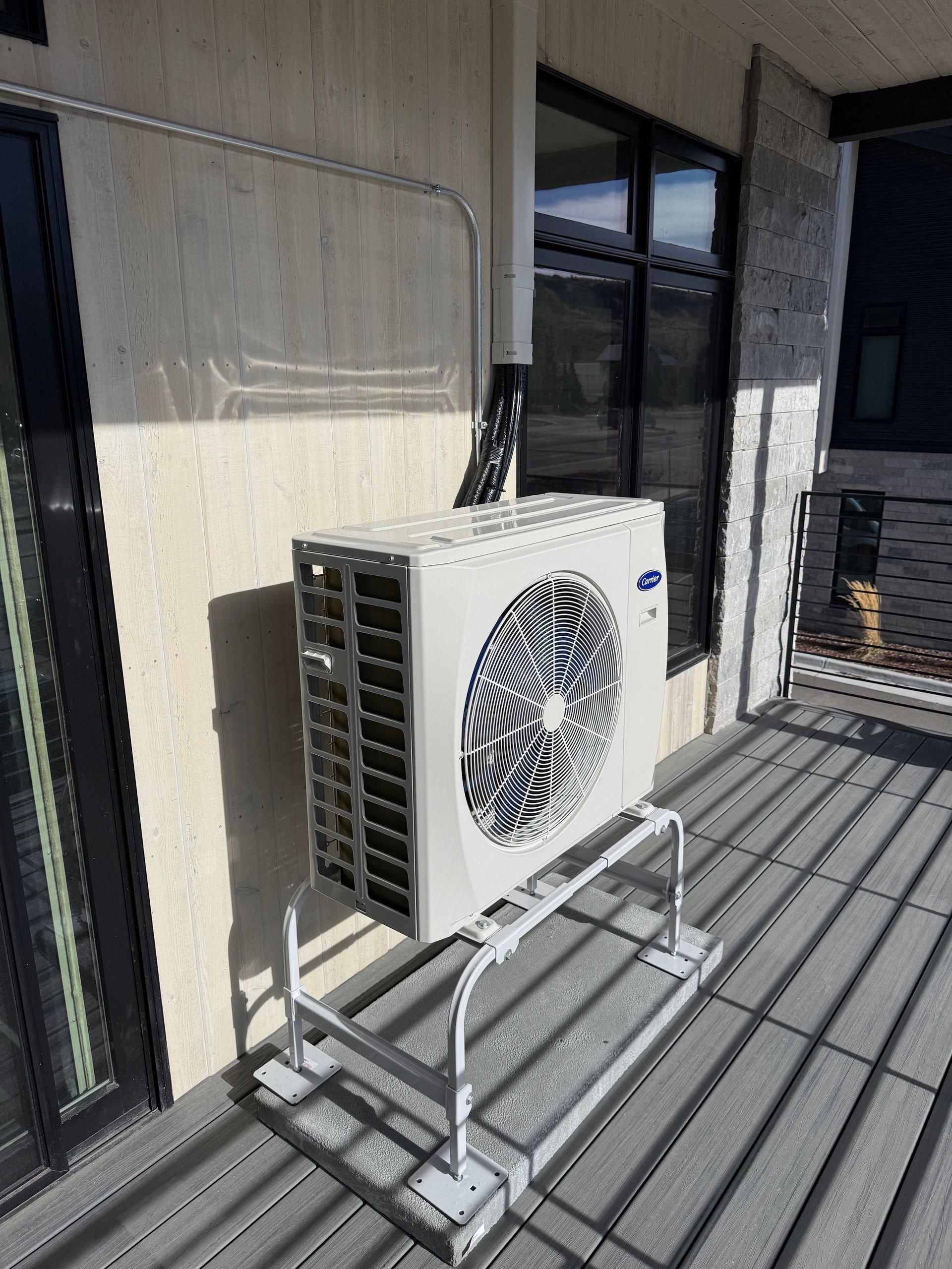
A mini split system also known as a ductless system consists of two main components: an outdoor compressor unit and one or more indoor air-handling units. These are connected by a small conduit that houses the power cable, refrigerant tubing, and drainage line.
Unlike traditional HVAC systems, mini splits don’t require ductwork. This makes them especially useful for older homes, room additions, garages, or any space where installing ducts would be expensive or impractical.
Key Benefits of Mini Splits
1. Energy Efficiency
Mini splits are known for their high energy efficiency. Because they deliver air directly into a room without traveling through ducts, they avoid the energy losses commonly associated with central systems. Many models also use inverter technology, which adjusts compressor speed instead of constantly turning on and off saving even more energy.
2. Zoned Comfort
One of the standout features of mini splits is zoned heating and cooling. Each indoor unit can be controlled independently, allowing you to set different temperatures in different rooms. This not only improves comfort but also reduces energy waste in unused areas.
3. Easy Installation
Installing a mini split system is generally quicker and less invasive than installing traditional ductwork. Most systems require only a small hole in the wall for the conduit, making them a great option for retrofits or renovations.
4. Improved Air Quality
Traditional duct systems can accumulate dust, allergens, and even mold over time. Mini splits eliminate this concern by removing ducts from the equation. Many systems also include advanced filtration features to improve indoor air quality.
5. Flexible Design Options
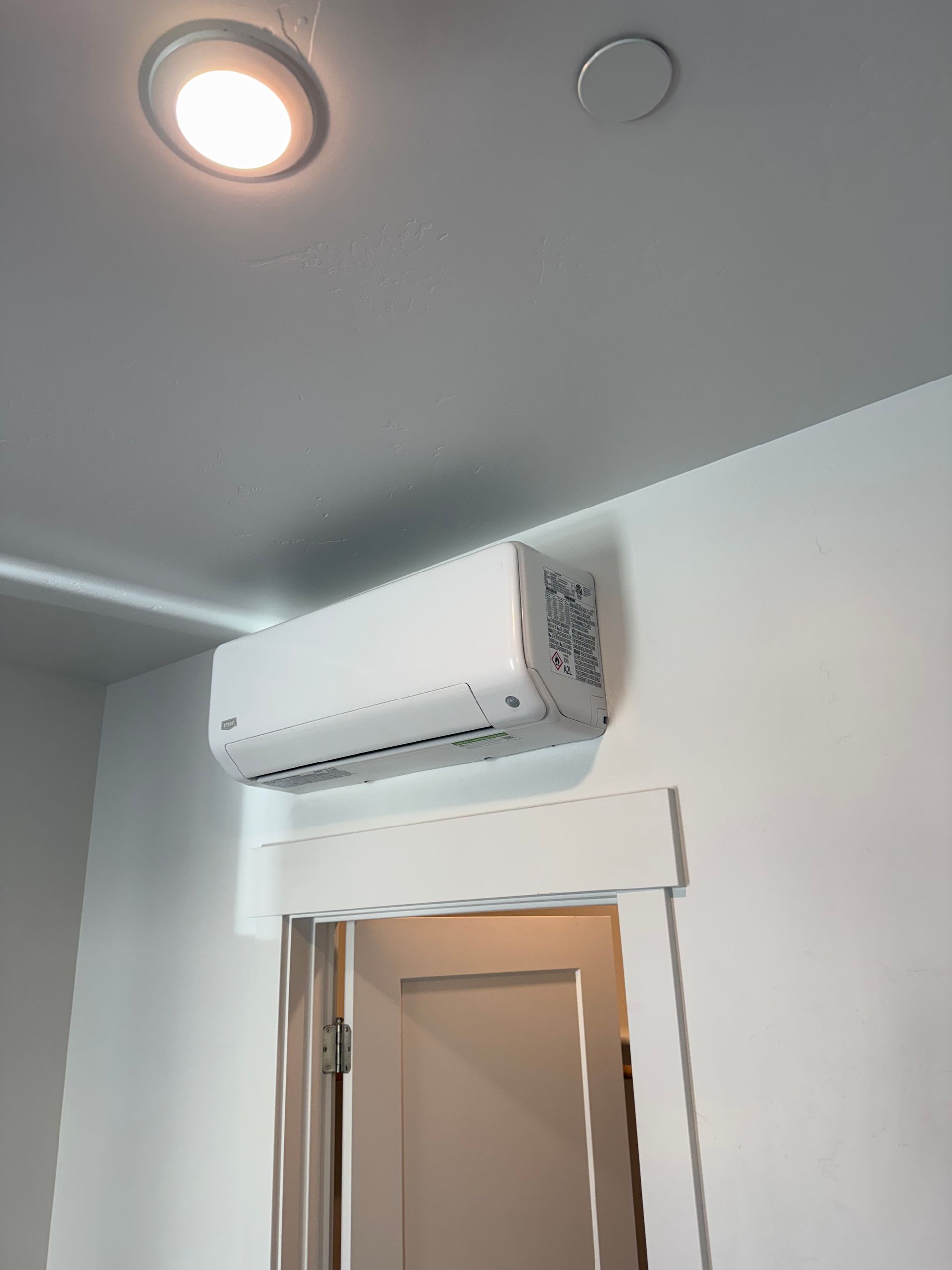
Mini split indoor units come in a variety of styles, including wall-mounted, ceiling cassette, floor-mounted, and even concealed duct options. This flexibility allows homeowners to choose a design that blends seamlessly with their space.
Are There Any Downsides?
While mini splits offer many advantages, they’re not perfect for every situation. Upfront costs can be higher than some traditional systems, especially if multiple indoor units are needed. Additionally, some homeowners may not like the appearance of wall-mounted units, although newer designs are becoming more sleek and discreet.
Ideal Use Cases
Mini splits are particularly well-suited for:
- Home additions or renovations
- Older homes without existing ductwork
- Basements, attics, or garages
- Small apartments or condos
- Homes looking to reduce energy consumption
Final Thoughts
Mini split systems are redefining how we think about home comfort. With their energy efficiency, customizable zoning, and easy installation, they offer a modern solution for both heating and cooling needs.
If you’re looking for a system that gives you more control while potentially lowering your energy bills, a mini split might be the perfect fit for your home.